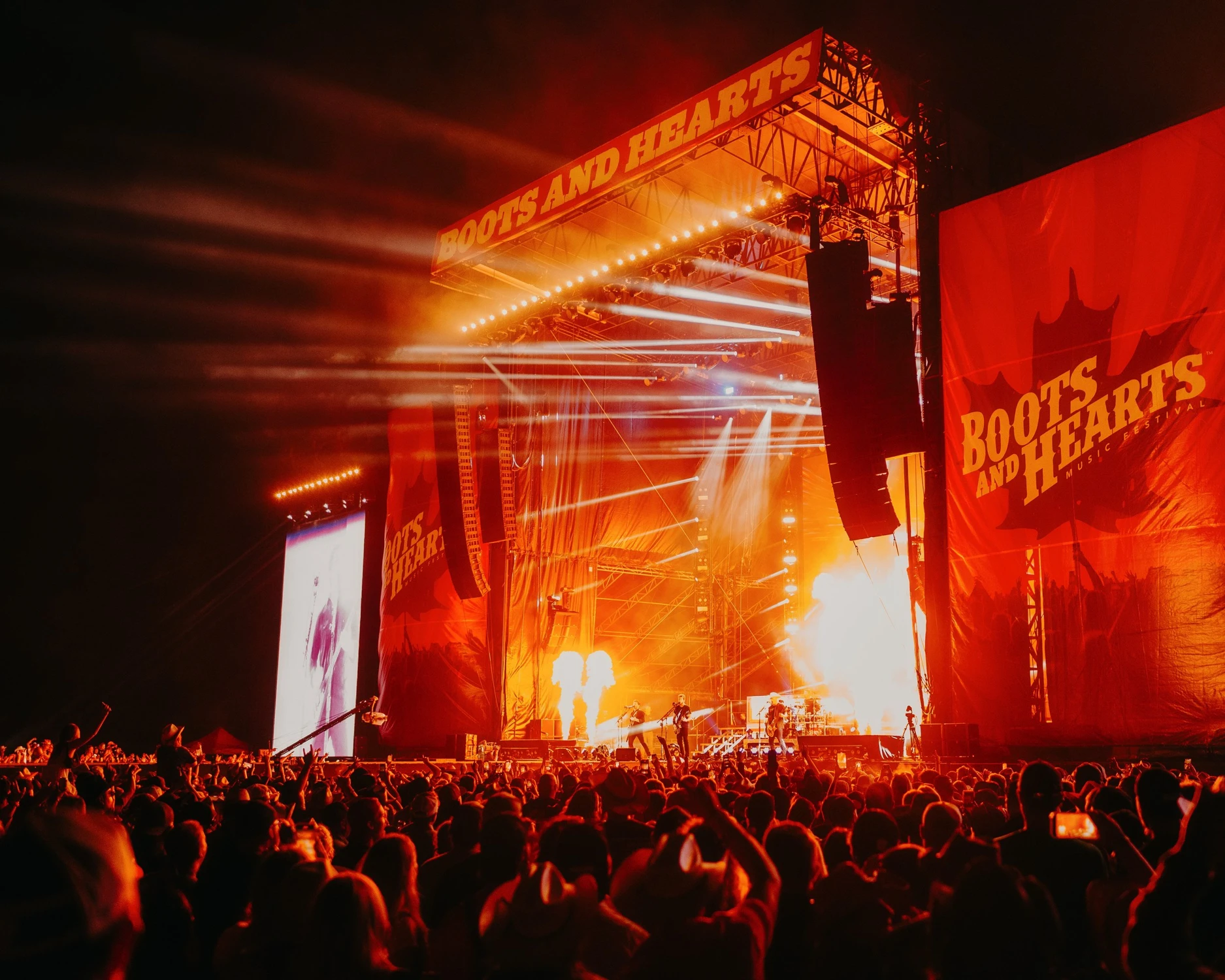
A room shapes an encounter
A place does more than hold a stage. Its history, seating, dance floor and audience conventions can influence how people gather around music. Those features do not dictate a single sound, but they give a performance a social setting that a recording alone cannot supply.
This is a comparison of documented venues, not a set of newly commissioned oral histories. The sources come from the venues’ own histories and policies. They provide useful first-party evidence while remaining distinct from the memories of every community member who used the spaces.
Gruene Hall: music in a dance-hall setting
Gruene Hall’s official site identifies the building as dating to 1878 and presents its current music calendar. That pairing of historical identity and continuing programming is a starting point for thinking about continuity. The building is part of the story, while each current event has its own conditions and audience.
When planning a visit, check the specific show rather than infer ticketing, seating or dance arrangements from a general image of a Texas hall. Historical continuity does not mean every event runs in exactly the same way.
| Choice | What to record | Why it matters |
|---|---|---|
| Dance-hall case | Gruene Hall | Check the current event’s arrangements |
| Changing-use case | Ryman Auditorium | Separate building and performance histories |
| Listening-room case | Bluebird Cafe | Follow the stated audience policy |
The Ryman: changing uses in one building
The Ryman’s official history follows its identity as the Union Gospel Tabernacle and its later association with the Grand Ole Opry. A venue can carry religious, civic and entertainment histories without those uses being identical. The continuity of a building makes those changes visible.
Compare the questions asked by a visitor and a listener. A historical tour may explain the institution; a concert offers a particular performance within that institution. Neither replaces the other. Keep the building’s dates separate from the dates of the show or broadcast you are studying.
The Bluebird: a stated listening convention
The Bluebird Cafe’s policy asks for quiet during performances, showing how an explicit audience convention can define a room. This contrasts usefully with a dance-centered image, but it should not become a hierarchy in which one way of enjoying music is more serious.
For a local community space, ask the same grounded questions: who organizes the music, how is participation invited, what does the room ask of listeners, and where is its history documented? Those questions leave room for differences among church spaces, halls and clubs instead of treating them as interchangeable symbols of community.
Compare participation, not just architecture
For each venue, draw a small participation card. Record what the audience is invited to do, where that instruction comes from and which event it applies to. A dance-oriented evening, a seated concert and a songwriter round can all involve concentrated listening while giving the body a different role. Do not read architecture alone as a complete instruction. A room can change its layout, host a special program or serve several communities over time. The event page and host’s directions help connect the historical building to the particular night you will experience.
A local history project can begin with the same modest card. Ask what public sources establish about the building’s use and what questions would require participant interviews. If interviews have not been conducted, do not fill the gap with invented community voices. Venue histories can establish dates and institutional self-descriptions; oral histories can add personal recollections with their own perspectives and limitations. Keeping those evidence types separate allows a place-based feature to deepen later without disguising a source-based introduction as original field reporting. The room deserves that care because its meaning is made by many people, not a single convenient anecdote.
A thoughtful comparison can end with an open question: what would a regular attendee add to this institutional account? That question identifies an opportunity for future reporting without pretending that the reporting has already happened.
- Attach a venue policy to the current event rather than assume it has applied unchanged across its history.
- Describe a dance hall and a listening room without ranking one audience convention above another.
- Use future interview questions as questions, not as attributed statements from people who have not been interviewed.
Follow the sources
Explore the original records, archive material and published accounts behind this article. Each source describes a particular release, performance, collection or event; keep that context when comparing examples.