A little closer
to the music.
Follow a fiddle line. Find a new voice. Plan a better weekend.
Original guides for curious country music fans.
MADE FOR DISCOVERY ✷
 Pillar listening guide
The Country Listening Lab: Ten Things to Hear in a Song
A favorite song can become unfamiliar in the best possible way when you stop following only its singer. This listening lab offers ten things to notice, with a small route through documented recordings and a repeatable way to write down what your own ears find.
 Interactive comparison tool
The Country Festival Matchmaker
Choose the kind of weekend you want before choosing the biggest name on the poster.
Find your next rabbit hole.
100 field notes to explore
Pillar listening guideThe Country Listening Lab: Ten Things to Hear in a Song
A favorite song can become unfamiliar in the best possible way when you stop following only its singer. This listening lab offers ten things to notice, with a small route through documented recordings and a repeatable way to write down what your own ears find.
 Comparative media essay
One Song, Three Lives: Studio, Acoustic and Live
The same composition can hold together in a studio master, an acoustic session and a live radio performance. Tyler Childers’ “Whitehouse Road” offers three documented entry points for comparing the work of an arrangement without confusing a different performance with a different song.
 Audio analysis
How Country Song Openings Work: An Eight-Track Listening Exercise
An introduction has several jobs: establish a sound, suggest a pace and make room for a voice. This eight-recording exercise helps you notice which job a country song chooses first, without reducing a successful opening to one formula.
 Listening feature
The Space Between the Lines: Country Vocal Phrasing
A singer can sound conversational while the band keeps strict time. Country phrasing lives in that relationship: the placement of a word, the length of a vowel and the space allowed after a thought. Here is a practical way to hear it.
 Visual listening guide
Country in Three Rhythms: Two-Step, Waltz and Shuffle
Two-step, waltz and shuffle do not describe three interchangeable tempos. One often names a dance relationship, one names a meter and another names a rhythmic feel. Hearing that distinction makes a country dance-floor playlist much easier to understand.
 Instrument listening feature
The Country Bass Line You Never Noticed
The bass may be the least conspicuous part you would miss immediately. It links rhythm and harmony, gives a singer something to lean against and makes a band feel as if it is traveling together. Hearing it begins with changing your attention, not turning up the volume.
 Arrangement analysis
How Silence Makes a Country Chorus Hit Harder
A chorus can feel larger because something has been removed just before it. Silence, a held breath and a thinner accompaniment are different effects, but all can redirect attention. Learning to distinguish them makes an arrangement’s shape easier to hear.
 Sound comparison
Country Guitar Tones: Clean Twang to Barroom Grit
“Twang” can describe a sharp attack, a bright tone or a familiar kind of musical gesture. “Grit” can describe distortion without telling you how it was made. A better vocabulary begins by separating what you hear from what an equipment list can prove.
 Live listening feature
Why Country Harmonies Feel Different Live
A harmony part is more than an extra voice above the tune. It can reinforce a phrase, change the color of a word or shift the balance of an ensemble. On stage, those relationships become visible as well as audible.
 Downloadable editorial guide
The Country Listening Party: A 45-Minute Host Kit
A listening party works best when it gives people permission to notice different things. This 45-minute plan alternates full songs with short conversations, using six selections as a route through voice, rhythm, storytelling and arrangement rather than a ranking of essential records.
 Reported visual casebook
Who Made the Record? A Country Album Credit Casebook
The name on the cover is the beginning of an album’s story. A credit page reveals overlapping teams of writers, performers and recording specialists. This small casebook starts with four documented releases and explains what their different credit structures let us know.
 Reported media feature
From Work Tape to Finished Record: Humble and Kind
Before a familiar song becomes a finished master, it may exist as a phone recording, work tape, live performance or demo. Lori McKenna’s account of “Humble and Kind” gives us an unusually clear way to understand those stages without pretending to possess an unreleased recording.
 Reported explainer
What a Country Producer Actually Changes
A producer can help shape a performance, choose an approach to a song and coordinate the people who turn it into a record. The role changes with the project. Three documented album teams show why “the producer made the sound” is usually the start of an explanation, not the end.
Musician feature collectionThe Players Behind Country Records: Six Credited Listening Paths
A familiar recording can become a route to an unfamiliar musician. These six listening paths focus on credited roles and documented careers, using published accounts rather than pretending to have conducted new interviews.
Reported process guideFrom a Songwriter Round to the Recording Booth
A songwriter round makes the person behind a song visible. A finished record may involve another singer and a much larger team. Between those moments are several possible routes, and the familiar story of being “discovered in a room” is only one of them.
 Annotated discography
A Country Song’s Family Tree: Writers, Versions and Covers
One composition can generate many records, each with a different performance history. “I Will Always Love You” offers a particularly clear family tree: Dolly Parton wrote the song, while her own recordings and Whitney Houston’s interpretation belong to distinct releases.
 Songcraft essay
How a Country Duet Becomes a Conversation
A duet can tell a story through two perspectives, let a second voice confirm a thought or turn a solo statement into shared experience. The most revealing question is not simply who sings the high part. It is what the second voice makes possible.
Musician interview featureHow to Hear Pedal Steel: A Player-Led Listening Guide
Pedal steel can sound like a voice joining the band, but its most useful contribution is not always the most conspicuous one. This guide follows the decisions a listener can hear—when to enter, how to move and when to leave space—using published player-led material rather than an invented interview.
Album analysisCountry Album Sequencing: Why Track Two Matters
An album’s second track can confirm the world opened by its first song or turn the listener toward something else. Sequencing is easier to hear when you compare positions and transitions rather than judging every song in isolation.
 Credit literacy guide
Co-Writing a Country Song: What the Credits Can and Cannot Tell You
A credit can tell you who is recognized for a composition or recording. It usually cannot tell you who arrived with the title, changed the melody or persuaded the room to keep a line. Credit literacy begins with respecting that boundary.
Interactive scene atlasThe Country Scene Atlas: Follow the Sound Beyond Nashville
A scene is a web of people, rooms and recordings. Follow these ten starting points without treating a map as a set of musical borders.
Cultural itineraryA Nashville Listening Day Without the Bar Crawl
A slower Nashville route for people who want to hear the stories behind the songs and leave time to look closely.
 Regional feature
Stillwater to Tulsa: Following Red Dirt’s Connections
A route through relationships, shared songs and Oklahoma rooms—not a claim that one guitar tone defines Red Dirt.
 Venue culture guide
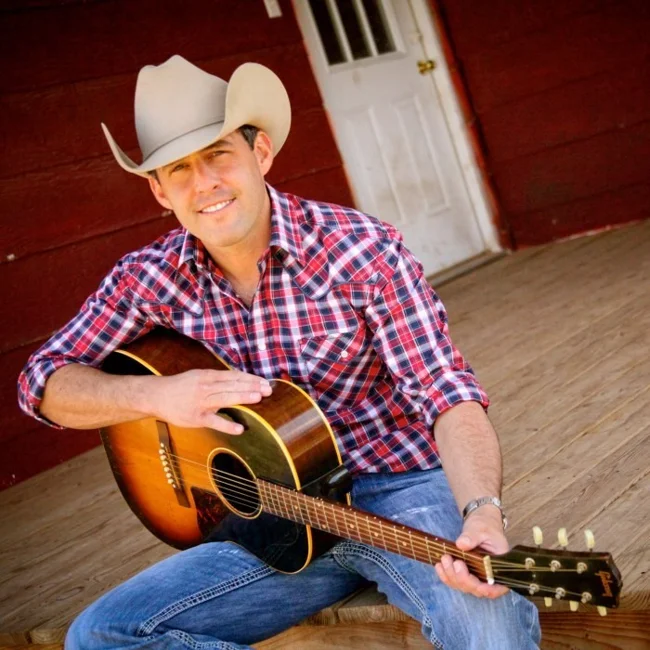
The Texas Dance-Hall Field Guide
The building is only half the story. Choose the event, understand the floor and let the hall’s own rules guide the night.
Regional listening essayAppalachian Country: A Listening Route Through Place
A listening route that leaves room for different towns, generations and musical choices.
 Regional discovery feature
California Country Beyond the Familiar Landmarks
Follow recordings and working musicians beyond a single California country stereotype.
 Regional atlas
Country North: A Route Through Canada’s Distinct Scenes
A country map of Canada should follow people and institutions, not turn provinces into musical stereotypes.
Reported scene featureCountry Across the Atlantic: How UK and Irish Scenes Connect
Country crosses the Atlantic in both directions. Start with the people making it locally.
 Regional listening guide
The Australian Country Connection
A listening guide that treats Australian country as a local history with its own institutions and stories.
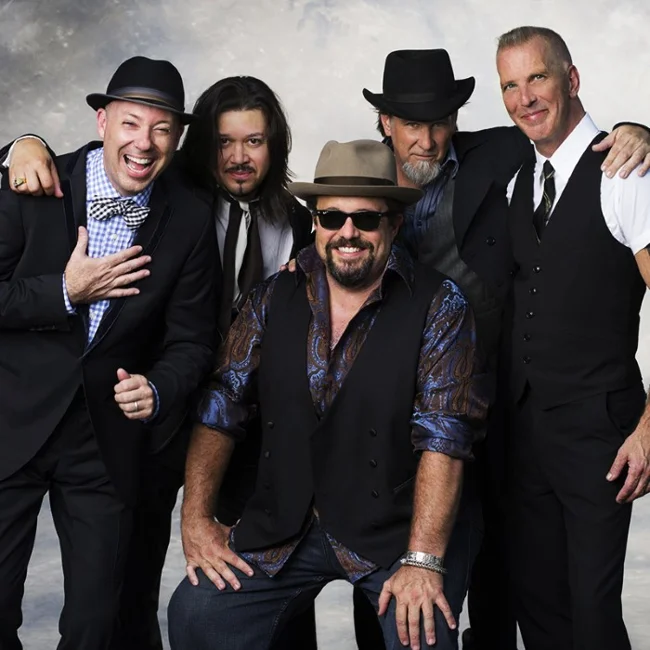 Cultural music feature
The Borderland Listening Route: Country and Mexican Traditions
Follow the actual collaborators. Musical exchange is clearer when the people making it stay in the frame.
Annual editorial hubThe CountryStage Discovery Notebook: 2028 Edition
A finite notebook for finding your next artist—not a prediction chart or a list that confuses visibility with musical value.
 Comparative career feature
From Small Room to Bigger Stage: Six Country Career Paths
There is no single ladder from a first song to a bigger stage. These six routes show why the details matter.
Curated discovery featureMeet the Bands: The New Country Ensemble Edit
Three bands, three ways of sharing the song. Start with who does what, then listen for how the parts meet.
 Songwriter discovery feature
Country Voices You Might Know From Someone Else’s Song
The name behind a familiar chorus can lead you to an unfamiliar artist catalogue.
 Recurring-format feature
The Next Country Voice, Heard Three Ways
A voice is more than a short clip. Change the setting and you change what you can hear.
 Curated release feature
Independent Country Releases: The Small-Catalogue Listening Edit
Independence describes a release relationship. It does not tell you what the record will sound like.
 Regional artist discovery
Canada’s Next Country Chapter: A Regional Discovery Edit
Three different routes into contemporary Canadian country, with recordings to explore beyond a hometown label.
 Vocal-group feature
The Harmony Collective: Country Duos and Trios Worth Hearing
Harmony is a relationship, not just a beautiful chorus. Here is how to follow it without guessing who sang every note.
 Catalogue discovery feature
After the Breakout Song: Where to Listen Next
A breakthrough song is a door. These routes help you hear what is on the other side.
Support-artist featureOne Opening Act, Five Reasons to Arrive Early
A support slot can be the first chapter of your next favorite artist. Here is a concrete way to prepare for one.
Interactive comparison toolThe Country Festival Matchmaker
Choose the kind of weekend you want before choosing the biggest name on the poster.
Head-to-head guideOne Weekend, Two Festivals: Compare the Whole Experience
The right festival can be the one that makes the rest of your trip work.
Original cost studyThe Real Cost of a Country Festival Trip
The pass price is the beginning of the calculation, not the cost of the holiday.
Transport research guideCountry Festivals by Train, Shuttle and City Transit
A train station is a waypoint. Build the journey all the way to the gate—and back.
Timetable listening guideBeyond the Headliners: Build a Festival Discovery Route
A memorable festival day can begin with the artist you came for and end with someone you had never heard.
Accommodation comparison guideThe No-Camping Country Festival Edit
Skip the tent if you want to. Choose the bed by the whole return journey.
Reported festival selectionRoots Festivals With a Strong Musical Identity
A festival’s identity is often clearest in the choices beneath its biggest names.
Visual practical guideA Festival Site Map, Read Like a Local
The best map reading starts with the places you will need between the performances.
Interactive planning toolOne-Day Pass or Full Weekend: The Decision Worksheet
Buy the amount of festival you can actually enjoy, not the largest number of names.
Family planning guideCountry Festivals With Kids: Questions That Change the Plan
“Family friendly” is a label. A useful family plan answers the practical questions beneath it.
 Visual stage guide
The Country Concert Anatomy: What Happens Between Doors and Encore
Look past the setlist and follow the work that turns separate performances into one evening.
Arrangement comparisonWhy a Country Song Sounds Different on Stage
A live version can keep the song intact while changing the way it reaches you.
Live-program featureThe Opening Band Is Part of the Story
The first artist on the bill can be your best route into a different part of country music.
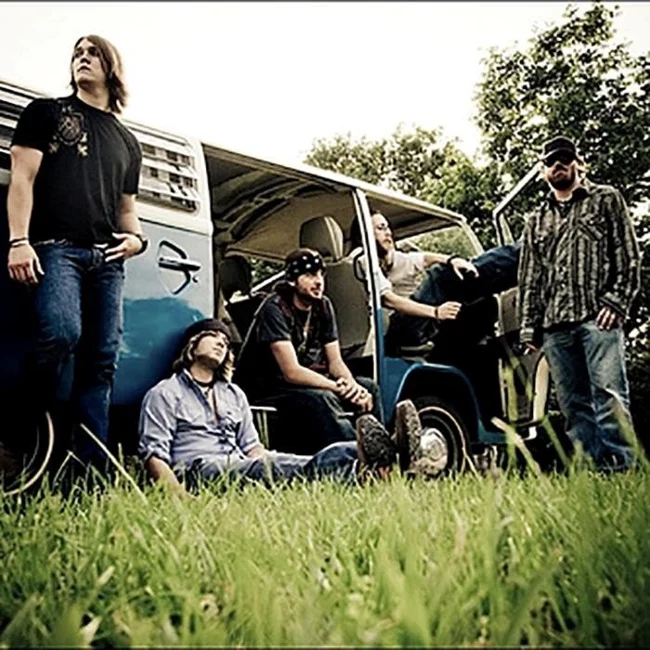 Production explainer
A Country Band’s Stage Plot, Explained
The stage is a working system. Its layout explains part of what you hear.
Venue decision guideFront Row, Floor or Balcony: A Country Listener’s Seat Guide
A good seat is one that fits the way you want to listen and watch.
Performance analysisThe Singalong Moment: How Country Crowds Become Part of a Song
Sometimes the lead voice moves from the microphone to the room.
Performance-format guideAcoustic Round, Full Band or Bluegrass Circle?
The format changes what you notice—and how the musicians share the room.
Instrument explainerThe Instrument Swap You Just Saw On Stage
A new guitar can mean a new musical job. Appearance alone does not tell you which one.
Visual performance essayCountry Concert Photos: Read the Light, Not Just the Singer
A concert photograph records a viewpoint. Learn to see the decisions around the singer.
Live-format featureAfter the Encore: Why Some Shows End Without One
The last song can be a resolution without a trip offstage and back.
Curated media hubThe Country Session Library: Watch by Mood and Musical Setup
A session library becomes more useful when the question changes from who is famous to what kind of musical attention you have available. Start with a single voice and guitar, move to a harmony partnership, then try a full acoustic ensemble. The same listener can need all three on different days. Short performances are also introductions to musicians whose albums you have not yet explored.
Annotated watchlistOne Microphone, Many Voices: Country at Close Range
A shared vocal microphone turns balance into something you can watch. Distance, angle and the timing of an entrance become part of ensemble communication. Do not assume that a visible central microphone is the only microphone in use: instruments, room sound and broadcast audio can have separate feeds. A picture of a simple setup does not establish a simple signal path.
Instrument media featureTwo Fiddle Players, Two Ensembles: A Close-Listening Guide
A fiddle may answer the singer, sustain a background line, double a melody or step forward for a break. Those jobs can change within one song. The most revealing exercise is to follow the instrument when it is not in the spotlight. A player who leaves space can contribute as much to a vocal arrangement as a player delivering a fast passage.
Comparative watchlistCountry Vocal Partnerships: Two Ways to Share a Song
A duet is more than a guest credit. It can divide the story between two narrators, turn a statement into a reply or add a harmony without changing the perspective at all. Comparing versions works best when the listener separates the song’s words and melody from the particular distribution of voices. Two singers taking turns is not automatically a dramatic conversation.
Writer-performance media featureThe Songwriter’s Own Version
Hearing a writer perform a song associated with another singer changes the comparison. The question is not which person owns the emotion, but which choices belong to the composition and which belong to the recording. A writer’s later performance is not necessarily the original demo. Calling it a demo without documentation erases a useful distinction.
Behind-the-scenes media featureCountry Soundchecks: The Work Before the Show
Soundcheck footage can show repetition, partial songs and musicians waiting for changes. None of those automatically signals a mistake. A repeated phrase may provide stable material for a balance adjustment, rehearsal or camera test. Without an explanation from the people involved, it is more accurate to describe the action than to assign a technical motive.
Historical media collectionThe Country Archive Screening Room
Historical footage arrives with several clocks: when the music was performed, when it was broadcast, when a carrier was copied and when the digital file was published. The upload date is often the least useful one for placing the music historically. A careful viewing record keeps these dates separate and leaves unknown fields open.
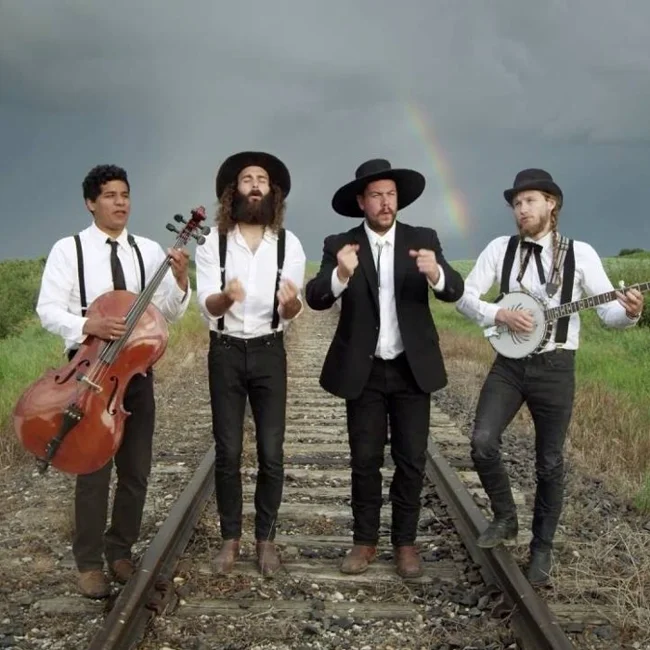 Ensemble media feature
The Tiny Country Band: Big Arrangements With Few Players
A small band does not merely remove players from a large arrangement. It redistributes duties. One instrument can mark bass movement, another can establish a rhythmic pattern, and a voice can create a sense of lift without an added electric layer. Listen for functions before counting instruments: rhythm is not synonymous with drums, and harmony is not synonymous with a second singer.
Photo essayReading a Country Festival Crowd: The MerleFest Photo Gallery
A concert photo sequence works when its pictures explain an experience rather than merely prove a celebrity was present. Arrival, wayfinding, waiting, shared attention and departure are all subjects. A close-up of a singer cannot stand in for every part of an audience’s evening. Neither can a generic festival crowd accurately represent a different named event.
Evergreen series hubThe Country Listening Club: Compare One Recording Each Month
A listening club does not need to keep producing rankings. It needs a common recording, an agreed amount of attention and questions that invite more than a verdict. Begin with what each person noticed, then return to the same passage. People can disagree productively when they can identify the evidence behind a preference.
Original annual studyInside a Country Tour Announcement: Six Stapleton Venue Bookings
A venue-by-venue report starts with a definition of what counts as a show. An announced booking, a completed concert and a ticket listing are different records. Mixing them can turn postponements into duplicate shows and festival appearances into misleading standalone tour dates. A small, source-linked sample is more informative than a large total with uncertain inclusion rules.
Original announcement studyHow Country Festival Bills Change From First Poster to Show Day
The first lineup poster is a promise made at a particular time, not an immutable record of the eventual weekend. Later additions can be routine programming; withdrawals need their own evidence. A name absent from an early list has not necessarily been removed. The useful comparison is between dated versions of the same edition.
Original network studyWho Opens for Whom? Country’s Touring Connections
An opening-act network should encode a documented bill, not a vague association between artists. The direction matters: who is presented as the headliner, who supports that date, and whether the same support appears across the entire run. Festival co-billing is another relationship and should not be quietly counted as tour support.
Original credit studyWho Made City of Gold? An Album-Credit Case Study
An album-credit census needs a unit smaller than a famous name. A producer can also play, a musician can appear on only one track, and an album-wide list can conceal exceptions. Count roles and people separately. A missing instrumental credit means the source does not tell you, not that the instrument was absent.
Original performance studyCountry Set Lengths: What Recordings and Schedules Can Tell You
A recording’s displayed length is not automatically the duration of a concert. Introductions, interviews, edits, applause and credits all alter the relationship. A festival schedule gives an allocated slot, which is another useful measure but not a timed observation. Before calculating an average, decide which interval the question actually needs.
Longitudinal research featureReading Country Festival Posters Across the Years
Following festival billing over time can illuminate changing presentation, but it cannot measure artistic merit. Posters differ in layout, day grouping and number of stages. An alphabetical list has no rank to extract. Even a larger font may reflect a particular date or package rather than a durable increase in an artist’s audience.
Release chronology studyThe Country Release Diary: How Singles Build an Album Campaign
An artist’s public release diary can be reconstructed without claiming access to a marketing plan. Announcement, first available recording, album release and expanded edition are different events. The same day can contain several. Social posts and streaming pages may also display different time zones, so preserve the source’s stated date before calculating an interval.
Original routing studyEight Announced Stops: A Country Tour in Australia and New Zealand
A country artist’s international presence is best documented one booking at a time. A country name in a global announcement does not identify a venue; a venue listing does not prove an entire tour sold out. Festival rotation also creates a different routing pattern from standalone headline concerts. Keep those formats visible rather than treating all dots on a map as equivalent.
Historical arrangement studyOne Keith Urban Song in Three Published Settings
To compare a song across a tour, first make sure the recordings document the same composition and a sufficiently complete performance. A short audience clip may show a striking solo but omit the opening and ending. It cannot establish the full arrangement. Differences in camera position and audio mix can also exaggerate the impression of a musical change.
Original reader researchThe Country Fan Night-Out Self-Audit: Ten Questions Before Booking
A reader census should begin with decisions, not demographics. Ask which practical obstacles change the likelihood of attending a show, and distinguish an occasional preference from a requirement. A person who likes standing close to a stage may still need a seat at another event. A useful questionnaire makes room for that variation without demanding private medical information.
Interactive recommendation toolBuild Your Country Listening Route
Choose a musical starting point, follow a transparent listening route, and discover why one country recording leads naturally to another.
Interactive timetable toolThe Country Festival Clash Planner
Build a festival timetable around real set times, then see where performances and your own travel allowances collide.
Downloadable infographicCountry Music’s Instrument Family Tree
Separate the instrument you can see from the musical job it performs, with a country and bluegrass listening guide to strings, air and rhythm.
Interactive arrangement diagramA Country Record, Layer by Layer
Explore rhythm, bass, chords and melody as separate musical jobs, then hear how an arrangement changes when parts enter or leave.
Interactive calculatorThe Country Concert Trip Budget Builder
Work out the full cost of a country concert trip using your own quotes, shared expenses and a clearly stated currency.
Downloadable activity guideYour Country Festival Listening Passport
Turn a festival bill into a personal listening adventure with prompts for unfamiliar artists, instruments and musical formats.
Interactive historical timelineFrom Bristol to Your Playlist: A Country Timeline You Can Explore
Explore selected recordings and institutions through a country timeline that treats Bristol as a landmark, not a complete origin story.
Interactive exploration toolThe Country Collaborator Map: Follow One Creative Connection
Follow documented creative relationships while keeping songwriting, performing and producing credits clearly separate.
Visual planning explainerA Festival Day, Drawn to Scale
See how performances, walking, meals and breaks occupy a festival day, using an editable illustrative timeline.
Downloadable fan journalThe CountryStage Show Notebook
Save the musical details, discoveries and small memories that make one country show different from the next.
Venue culture guideThe Listening Room Code: How to Be Part of a Country Songwriter Night
Plan a songwriter night around the room’s own conventions, with the Bluebird Cafe as a concrete example of attentive listening.
Membership comparison guideCountry Fan Clubs: What Membership Actually Includes
Compare the benefits, renewal terms and ticket conditions behind a country fan-club membership before deciding what it is worth to you.
Cultural directory featureThe Country Record Shop Trail
Follow a compact Nashville record-shop route through browsing, live events and recording culture rather than chasing an unverifiable “best” list.
Visual history essayThe Poster Tells a Story: Country Concert Design Through Time
Read country concert posters as historical objects: lettering, billing and printing decisions reveal how a show was presented.
Reported credit featureWomen Behind the Country Sound: Players, Producers and Engineers
Explore women’s work in country through documented musical and production roles, beginning with Alison Brown’s multifaceted career.
Artist-led cultural featureBlack Country Creativity: Follow the Work, Not Just the Milestones
Follow recordings, instruments and individual accounts to explore Black country creativity across distinct careers and musical traditions.
Social music historyCountry Music in Community Halls, Dance Halls and Church Spaces
Explore how a dance hall, a former tabernacle and a listening room create different social settings for country music.
Community resourceThe Country Album Listening Group: A Club Starter Kit
Start a recurring country album club with four meetings, rotating roles and discussions grounded in the recordings.
Fan purchase guideCountry Tour Merch: How to Read the Product Before Buying
Read the product, sizing and fulfillment information behind country tour merchandise before choosing what to buy.
Archival discovery guideThe Country Music Oral-History Starter Shelf
Find country-music interviews by the questions they can answer, while distinguishing an archive catalogue from media you can play immediately.
No matches yet. Try another word or choose all field notes.