Doors open is a production milestone
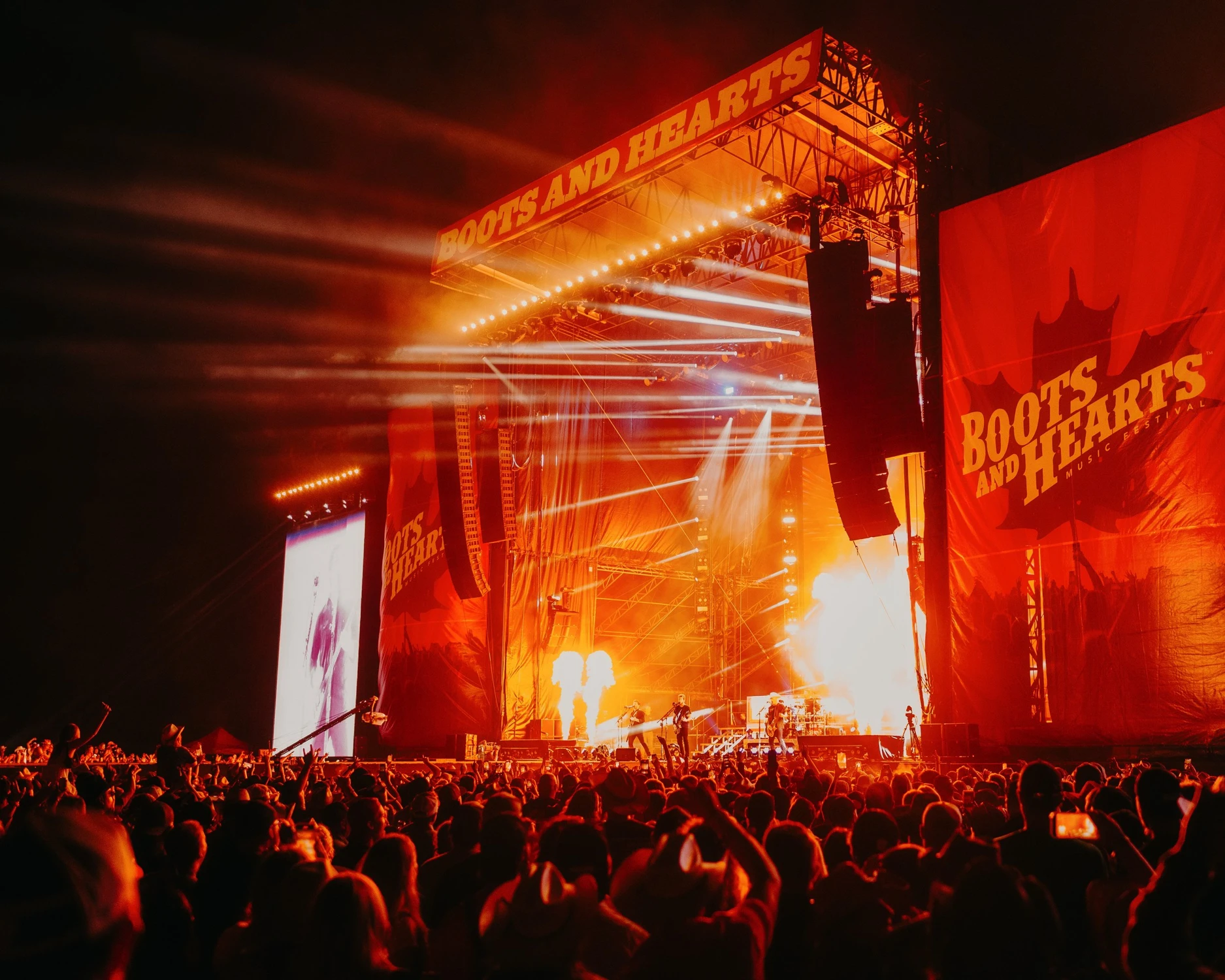
The public sequence of a concert begins before the first song. Admission, audience movement and the settling of the room create the conditions for the performance, but the time on a ticket is not automatically the headliner’s first note. An event page may separately identify doors, support and headline times. Treat those labels literally and check the venue’s latest instructions rather than borrowing the running order from another city.
A show-flow diagram should therefore start with states rather than promised clock times: audience entry, first performance, changeover, headline set and conclusion. Some concerts omit stages in that sequence; others repeat them. This is an anatomy of possible components, not a timetable for every country artist.
The support set and the changeover are different work
An opening performance has its own musical shape and deserves to be heard on those terms. The changeover that follows has another purpose: preparing the next configuration. Stands may be moved, instruments replaced and connections checked. What looks like idle time to an audience can be the visible part of a carefully divided technical process. The exact work depends on how much equipment the artists share.
Watch the distinction between musicians and crew without guessing anyone’s role from clothing. A person checking a microphone may not be an unannounced performer. A quick instrument check is not necessarily a public soundcheck of the complete band. The audience sees only one part of the preparation, and the band’s monitor sound differs from the sound projected into the room.
Not every headline show uses the same arc
Eric Church’s official announcement for the 2017 Holdin’ My Own Tour explicitly described no support act and two full sets separated by an intermission. That documented format is a useful counterexample to the assumption that a country arena concert must begin with an opening artist. It also shows why a familiar visual cue—a band leaving the stage—does not always mean the evening is over.
A television taping creates another structure. Austin City Limits is recorded before an audience for a broadcast program. The performance, what the camera records and the edited episode are related but not identical objects. An episode’s running time cannot establish how long a ticketed arena performance by the same artist will last.
Follow the musical transitions
Inside the headline set, listen for changes in density and focus. A full-band passage can lead into an acoustic song; an instrumental feature can shift attention from the singer to another musician; a guest can alter the conversation. These are arrangement choices, not merely pauses between hit titles. You do not need to know the whole catalogue to notice the change.
An illustrative flow might move from a high-energy opening to a more exposed vocal section, then rebuild toward a conclusion. Actual artists can invert that path, change it nightly or avoid a single dramatic peak. Record what happens at the specific show rather than forcing the experience into an assumed formula.
| Component | Its purpose | Common misreading |
|---|---|---|
| Changeover | Prepare the next setup | Nothing is happening |
| Intermission | Divide an announced performance | The show has finished |
| Acoustic section | Change musical focus | A lesser part of the set |
| Final sequence | Resolve the performance | An encore must follow |
Recognize an ending without demanding a ritual
The final chord, applause, bows, lighting and public-address information together help establish the conclusion. An encore is one possible format, not an entitlement attached to a ticket. A continuous set can contain the artist’s intended finale without a staged departure and return. Do not use an incomplete online clip as evidence that a particular concert had no encore.
After a show, note the transitions that changed your attention as well as the songs you recognized. That observation helps explain why two performances with similar setlists can feel different. A concert is built from pacing, ensemble decisions and the room’s response; the printed list of titles is only its outline.
- Read the event’s labels for doors and show time.
- Treat the opening performance as a complete set.
- Notice how equipment and ensemble size change.
- Distinguish intermission from conclusion.
- Do not infer a whole show from an edited broadcast.
- Record transitions as well as song titles.
Follow the sources
Explore the original records, archive material and published accounts behind this article. Each source describes a particular release, performance, collection or event; keep that context when comparing examples.
Related artist guides
 Eric ChurchArtist, recordings & live dates ↗
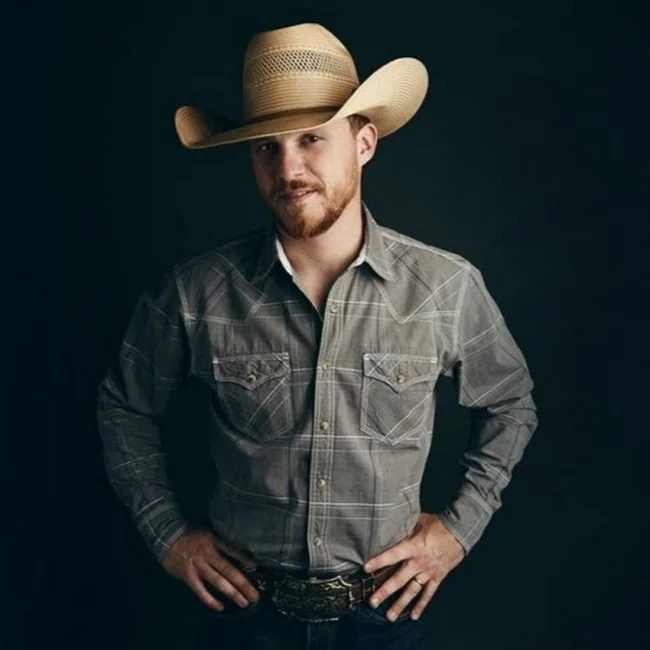 Cody JohnsonArtist, recordings & live dates ↗
 Kelsea BalleriniArtist, recordings & live dates ↗