Start with your listening priorities
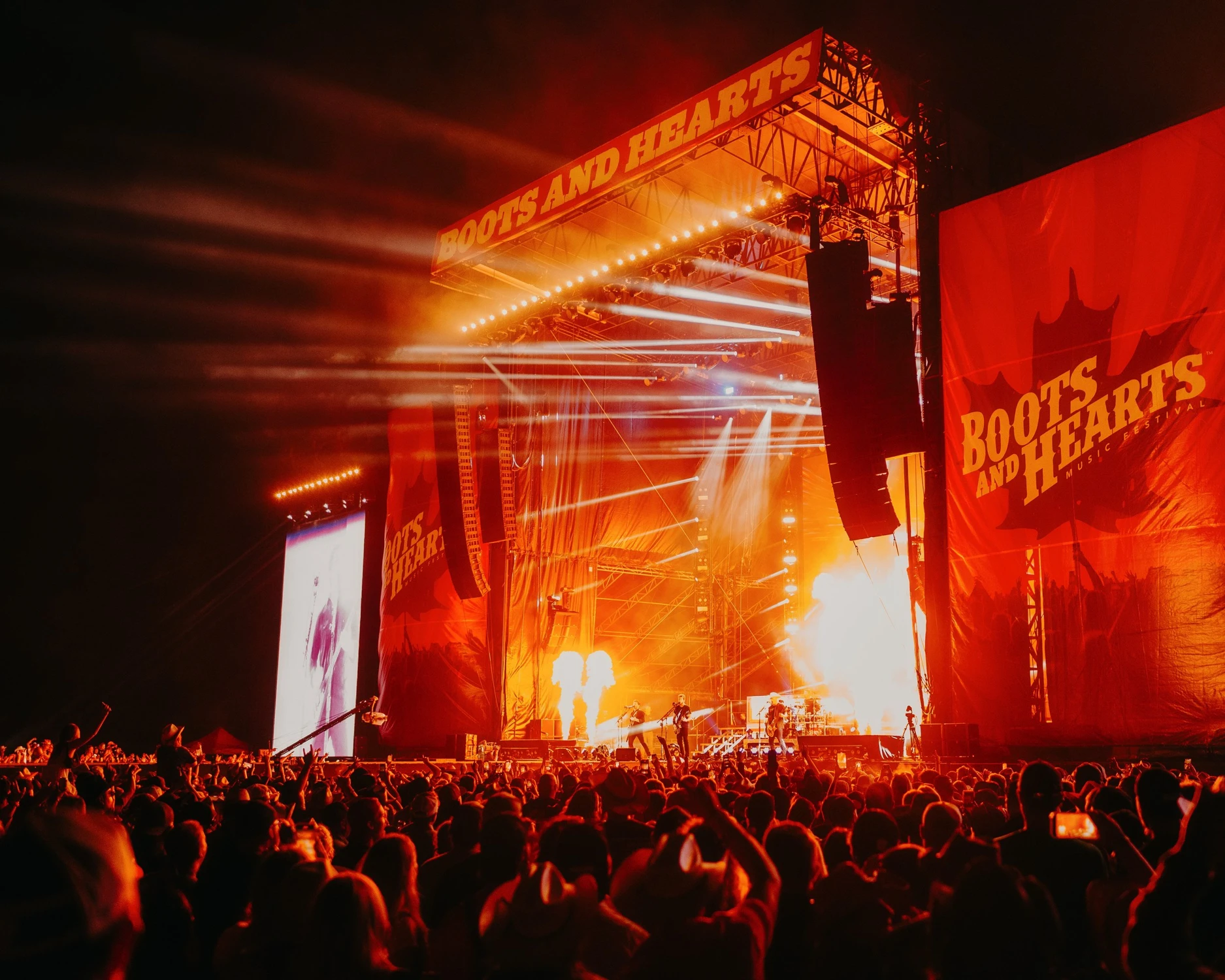
The front row, a standing floor and a balcony offer different relationships with a performance. Being close can make gestures and instruments easier to see, but proximity is not a universal guarantee of the best sound or the most comfortable view. A balcony can reveal the whole ensemble and stage design; a floor can offer energy and movement while making sightlines depend on the crowd in front of you.
Choose three priorities before opening a seating chart: close detail, a broad stage view, the ability to remain seated, ease of movement or a particular access requirement. Your priorities give the map a purpose. A price ladder alone cannot tell you which position will make the evening enjoyable.
Ryman: inspect the specific seat, not just the level
Ryman Auditorium publishes official seating charts and separate accessibility information. Use both. A chart establishes sections and rows, while access information explains facilities and options that a small ticket map may omit. If a seat has a restricted-view label, read the description and ask the box office what creates the restriction. Do not rely on a broad claim that every position in a historic room feels equally close.
Ryman’s access page identifies accessible seating on the main floor and balcony. That does not mean every route or ordinary seat suits every visitor. Discuss your actual requirements before purchase, including companions and the journey to the seat. The right answer is specific to the person, performance layout and product being sold.
Arena floor: identify the configuration
“Floor” can mean reserved seats, a standing area or a mixture of zones. The artist’s production can also change the stage shape. Inspect the map attached to the exact event rather than a generic venue diagram. Look for extensions, secondary stages and any limited-view notes, then check whether the ticket describes a seat or admission to an area.
Standing expectations matter even in reserved sections. A seat does not necessarily imply everyone ahead of you remains seated during the performance. If standing for long periods is difficult, ask the venue about an appropriate location rather than assuming a lower-level ticket solves the issue. An expensive position can still be a poor personal fit.
Listen without promising an acoustic winner
Sound at a concert depends on the room, sound-system deployment, production choices and the particular position. We have not measured these venues, so this guide does not rank sections by acoustic quality. Instead, consider what you want to hear and what compromises you can accept. A broad view of the ensemble can help connect instrumental sounds with players; a close position can emphasize physical detail.
Photographs from another show can help with perspective, but they are not a measurement. Camera lenses, cropping and stage configuration change the apparent distance. Check that the image identifies the seat or section and resembles the layout for your event before using it as evidence.
| Position type | Potential appeal | Question before buying |
|---|---|---|
| Front area | Facial and instrumental detail | Will the angle or crowd obstruct my view? |
| Standing floor | Movement and shared crowd energy | Can I comfortably use this format? |
| Raised or balcony | Whole-stage composition | What are the route and sightline constraints? |
| Accessible location | Facilities matched to a need | Is this exact product suitable for my party? |
Make a seat shortlist with a reason
Select three actual options and write one sentence for each: “I can see the whole band,” “This route suits my needs,” or “I prefer the energy of a standing area.” Add the unanswered question that could change the choice. Contact the venue if that question concerns a sightline, access route or ticket entitlement that only its staff can confirm.
Keep the rest of the evening in view. Entry, toilets, concessions and the route out all affect the experience of a seat. A position that fits your body and your attention is often more valuable than the most prestigious section name. Buy the place you can use, not the place a generic ranking tells you to want.
- Open the event-specific seating plan.
- Check seat versus standing admission.
- Read restricted-view information.
- Discuss actual access needs with the venue.
- Treat crowd photographs as perspective, not proof.
- Choose according to your own viewing priorities.
Follow the sources
Explore the original records, archive material and published accounts behind this article. Each source describes a particular release, performance, collection or event; keep that context when comparing examples.