Participation is part of the arrangement
A singalong can begin when a performer invites a response, leaves space in a familiar refrain or simply hears the audience already carrying the song. The musical event is a change in who holds the foreground. Rather than treating the crowd as background noise, listen for the moment its voice becomes part of the structure. No reproduction of lyrics is needed to describe that handoff.
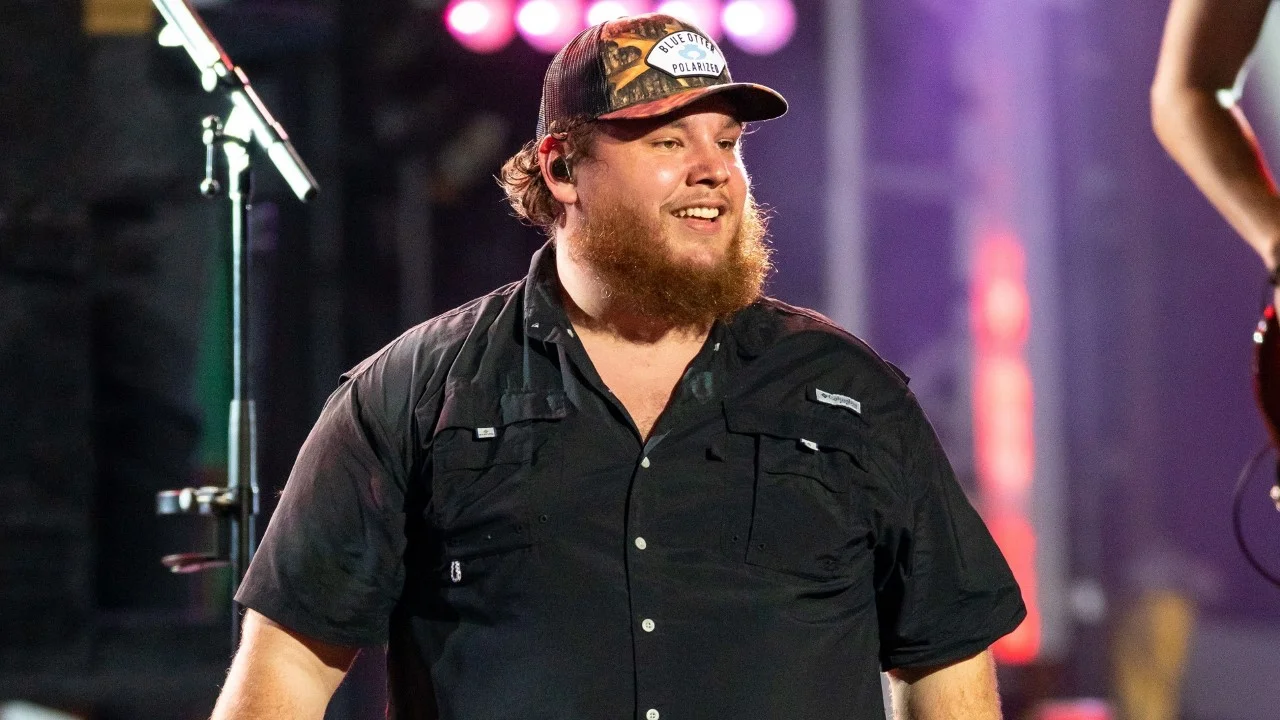
A recording can help you examine the process, but choose a documented live source. Luke Combs’ official video library identifies a “Fast Car” live video, and Kenny Chesney’s official catalogue identifies Live in No Shoes Nation. These are useful sources for studying released performances without relying on an unattributed clip or claiming that a crowd behaves the same way every night.
Listen for three different invitations
An explicit invitation is the easiest to recognize: the performer visibly or audibly asks for participation. A musical invitation can be subtler, such as leaving a gap where listeners expect a familiar phrase. A third form is responsive rather than planned from the audience’s perspective: the singer allows an already audible crowd to continue. These categories can overlap within one performance.
Do not assume a microphone gesture proves the entire band has stopped, or that a camera shot establishes how every section of the room responded. Keep visual and audible evidence separate. A useful note might describe the singer moving away from a line while the audience remains audible, without inventing what the monitor mix or backstage plan contained.
The band can make room without disappearing
When fewer instrumental layers occupy the foreground, the audience’s voice may become easier to notice. That does not require silence. Rhythm, harmony and a timing cue can continue underneath the handoff, giving listeners a shared place to re-enter. Listen to the return as carefully as the gap: the point where singer and ensemble resume together often explains why the moment feels complete.
A crowd is not a single perfectly synchronized instrument. Delays, echoes and different levels of familiarity are part of the live texture. The musical task is not necessarily to make every person sound identical; it can be to keep a recognizable phrase and pulse moving through a very large space.
A live album is also a listening presentation
Chesney’s official Live in No Shoes Nation track list documents a live collection with guest appearances, including Zac Brown Band and David Lee Murphy. A release of this kind lets a listener explore how different songs and collaborations are presented as communal experiences. It should still be understood as a selected, mixed release rather than an unfiltered microphone placed in one audience seat.
The sound on your headphones is shaped by the recording. Applause and crowd singing can be captured and balanced independently of the main vocal. That does not make the participation false; it means the release is a presentation of an event. Avoid treating a loud crowd in one mix as a numerical comparison of fan enthusiasm between artists.
| Moment | What to attend to | Careful description |
|---|---|---|
| Invitation | Gesture, spoken cue or musical gap | Identify the evidence you can hear or see |
| Handoff | Which voice carries the phrase? | Separate singer and audience roles |
| Support | What keeps pulse and harmony moving? | Name musical function before instrument |
| Return | How does the ensemble reconnect? | Describe the transition, not guessed intent |
Enjoy the shared moment in the room
Participation is welcome in some contexts and disruptive in others. The Bluebird Cafe describes itself as a listening room and asks audiences to limit conversation; its policy still recognizes applause and moments of singing along. The setting and performer’s cues matter more than a blanket rule that country audiences should always sing or always remain quiet.
At the next show, notice one handoff and how the music returns. You do not need to film it to keep the memory. A short note afterward can capture the distinctive structure: who began the response, what remained underneath and how the room settled back into the song. That is a richer account than simply saying the crowd was loud.
- Use a documented live recording.
- Distinguish invitation from spontaneous response.
- Listen beneath the crowd for musical support.
- Notice how the performer returns.
- Do not rank audiences using different mixes.
- Follow the room’s conventions and performer’s cues.
Follow the sources
Explore the original records, archive material and published accounts behind this article. Each source describes a particular release, performance, collection or event; keep that context when comparing examples.
Related artist guides
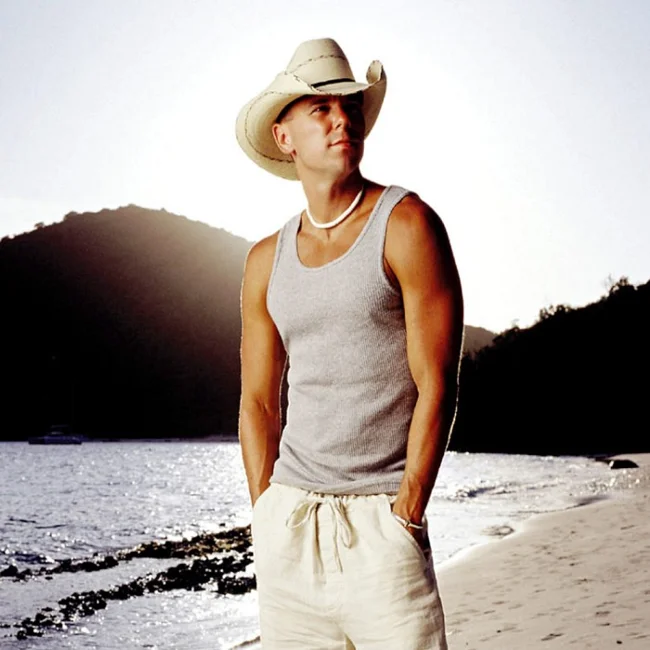 Kenny ChesneyArtist, recordings & live dates ↗
 Luke CombsArtist, recordings & live dates ↗