Choose a format as well as an artist
A familiar song can reach you differently in a songwriter round, a full-band concert or an acoustic ensemble performance. The distinction is not a ladder from simple to sophisticated. Each format distributes attention differently: between stories and songs, among instrumental roles, or across a larger stage and sound system. Knowing the format helps you choose an evening that suits the way you want to listen.
Three documented reference points make the differences tangible: the Bluebird Cafe’s description of its in-the-round format, Chris Stapleton’s official Austin City Limits performances and Smithsonian Folkways’ bluegrass resources. They are starting points for exploration, not claims that every room or ensemble follows the same rules.
The songwriter round puts the exchange in view
The Bluebird describes a typical in-the-round presentation with several songwriters seated in the center, taking turns sharing songs and stories. That layout changes the visual relationship: there is no single permanent front in the same sense as a conventional stage. Another writer may accompany or respond, and the audience’s attention moves as the turn passes around the group.
Listen for the composition as well as the voice. A song associated with a famous recording can reveal another emphasis when performed by one of its writers. Do not assume the performer wrote every song presented; check the introduction and credits. The room’s listening policy also matters: sustained conversation competes directly with the words and the exchange.
A full band distributes the musical jobs
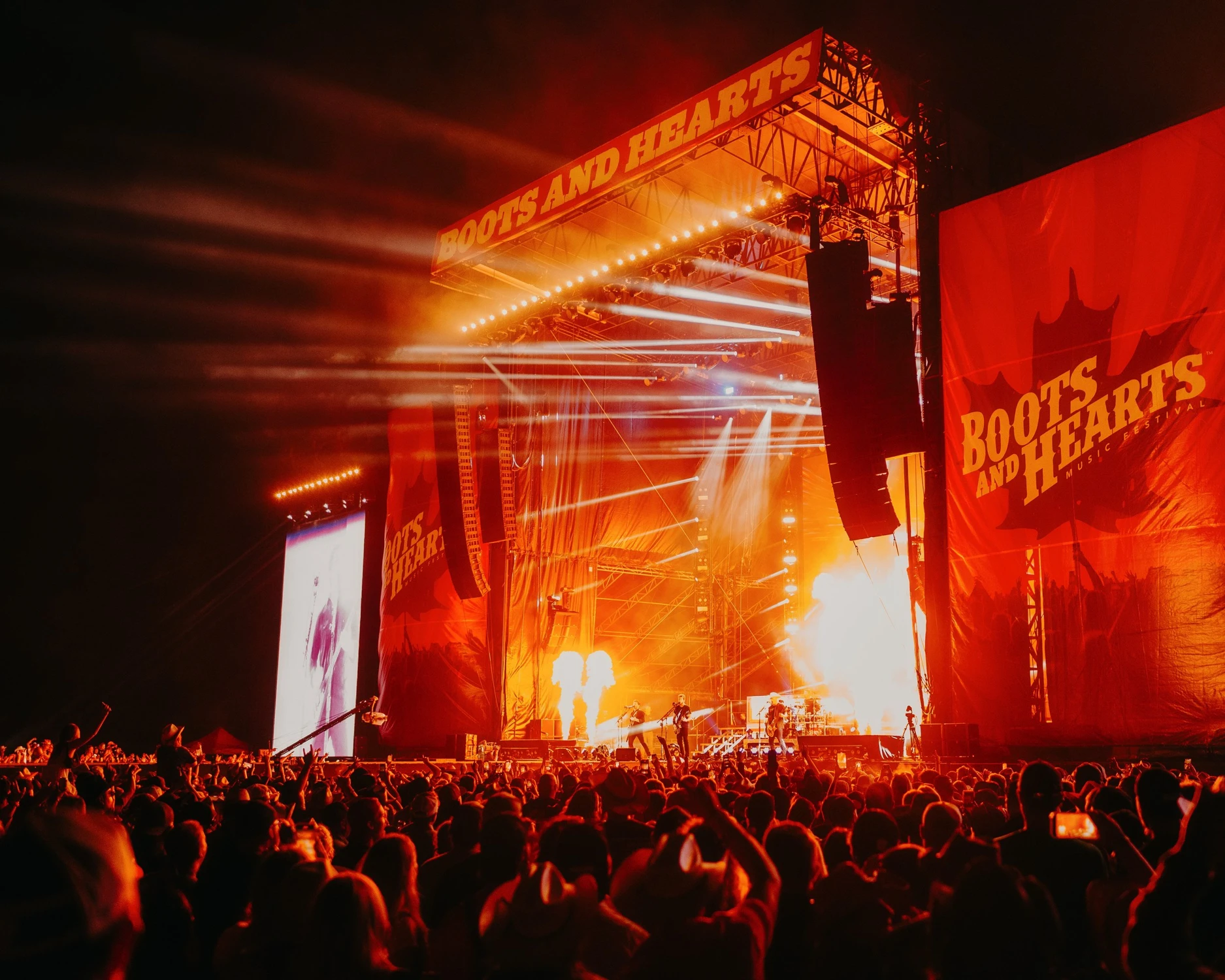
A full-band country setup can place rhythm, bass movement, harmony and melodic replies with different musicians. A singer can remain the visual focus while another player controls the musical turn into a new section. Official performance footage is useful for following those handoffs, provided you remember that the camera may not show every player at every moment.
Chris Stapleton’s Austin City Limits video catalogue offers documented examples of a band performance in a broadcast setting. Watch for changes of attention rather than assuming “full band” means every instrument plays continuously. Space, restraint and temporary combinations of players are part of the arrangement too.
A bluegrass circle is not just country without drums
Bluegrass has its own ensemble traditions and a wide documented history, explored in Smithsonian Folkways’ catalogue and essays. Acoustic string instruments can carry pulse, harmonic support and lead features in changing combinations. The physical exchange between players is often especially visible, but the presence of one shared microphone is a choice rather than a requirement for every bluegrass act.
Do not infer recording technique or stage amplification from the genre label alone. Some ensembles use individual inputs, some gather around a central microphone and some combine approaches. Focus first on the musical conversation: who establishes the pulse, who answers a phrase and how the next lead voice becomes clear.
| Format | Attention often moves toward | Before attending, check |
|---|---|---|
| Songwriter round | Words, stories and turn-taking | Room policy and reservation product |
| Full-band show | Layered roles and stage transitions | Event configuration and support bill |
| Bluegrass ensemble | Instrumental dialogue and shared pulse | Actual stage setup and program |
Match the room to your curiosity
If the story behind a song is your main interest, investigate a documented songwriter event. If you enjoy watching a larger arrangement develop, choose a full-band performance with a clear view of the ensemble. If instrumental dialogue draws you in, try a bluegrass program and follow more than the most visible soloist. These are invitations, not restrictions; a single artist can work across several formats.
Before buying, check whether the event you found is the version you imagined. A solo acoustic appearance, a band tour and a festival collaboration can share an artist name while offering very different evenings. That small research step often makes the difference between a good show and the particular show you wanted.
If you are unsure, try an official performance video from each format before choosing. Pay attention to where your eyes and ears naturally settle, then use that response as your guide.
- Read the advertised performance format.
- Check who is actually appearing.
- Learn the room’s listening conventions.
- Follow how musical attention passes between players.
- Avoid treating amplification as a genre test.
- Explore another format when curiosity changes.
Follow the sources
Explore the original records, archive material and published accounts behind this article. Each source describes a particular release, performance, collection or event; keep that context when comparing examples.