Small ensembles distribute jobs creatively
A small band does not merely remove players from a large arrangement. It redistributes duties. One instrument can mark bass movement, another can establish a rhythmic pattern, and a voice can create a sense of lift without an added electric layer. Listen for functions before counting instruments: rhythm is not synonymous with drums, and harmony is not synonymous with a second singer.
Childers’ session and the Stapleton Tiny Desk form a useful compact comparison. Add the McCoury performance to hear how an acoustic ensemble allocates a wider set of instrumental jobs. These selections compare documented setups, not the musicians’ full touring productions or the staffing of their studio albums.
A closer look, one question at a time
| Focus | What to record | How to use it |
|---|---|---|
| Foundation | Pulse and low movement | Which part keeps time? |
| Foreground | Voice or instrumental lead | Who carries the recognizable line? |
| Contrast | Texture or dynamic change | What makes a chorus feel different? |
Count jobs rather than chairs
On paper, three musicians may look like a limited palette. In practice, a single part can contribute pulse, harmony and melodic response at different moments. Make three columns for those functions and note which musician occupies each over a verse. The same name can appear in more than one column. This approach prevents a common mistake: assuming an arrangement is missing something merely because the familiar instrument is absent. The question is whether a musical function is supplied, implied or deliberately left open.
A duet is not half a full band
The Stapleton reference is especially useful for thinking about a supporting voice as a structural resource. A harmony entrance can change a chorus without adding a second rhythm instrument. In a solo performance, the same lift might come from dynamics, register or a change in guitar pattern. Those are different solutions to an arrangement problem, not evidence that one version is incomplete.
Try describing an ensemble without listing its instruments first. Write down what keeps the song moving, what anchors the harmony and what changes between sections. Only then attach musician and instrument names to those functions. This reverses the habit of seeing an absent drum kit and concluding that there is no rhythm section. It also helps explain why some small groups produce a larger sense of movement than their headcount suggests.
The arrangement you can carry home
Try humming the melody while tapping only the pulse you hear. Then listen again for the lowest part. If those activities feel different, you have already separated rhythm from bass function. A small ensemble can combine them, but the listener can still understand the jobs independently. This is a practical way into arrangement for someone who does not play an instrument.
At the next show, watch a quiet transition rather than waiting only for a solo. Which musician maintains the sense of time while another tunes, changes an instrument or speaks? Do not assume the same solution appears in the recorded sessions here. The question is transferable; the answer belongs to the particular performance in front of you.
Watch, listen & explore
Tyler Childers: Tiny Desk ConcertThe public-radio session includes Nose on the Grindstone and spoken song context; use it for singer-led storytelling.Open source ↗Chris Stapleton: NPR Tiny DeskThe artist’s page names More of You, When The Stars Come Out and Whiskey and You; a compact vocal-partnership starting point.Open source ↗The Del McCoury Band: Tiny Desk ConcertPublished set: That Ol’ Train, 1952 Vincent Black Lightning and All Aboard; personnel include Jason Carter on fiddle.Open source ↗Follow the sources
Explore the original records, archive material and published accounts behind this article. Each source describes a particular release, performance, collection or event; keep that context when comparing examples.
Related artist guides
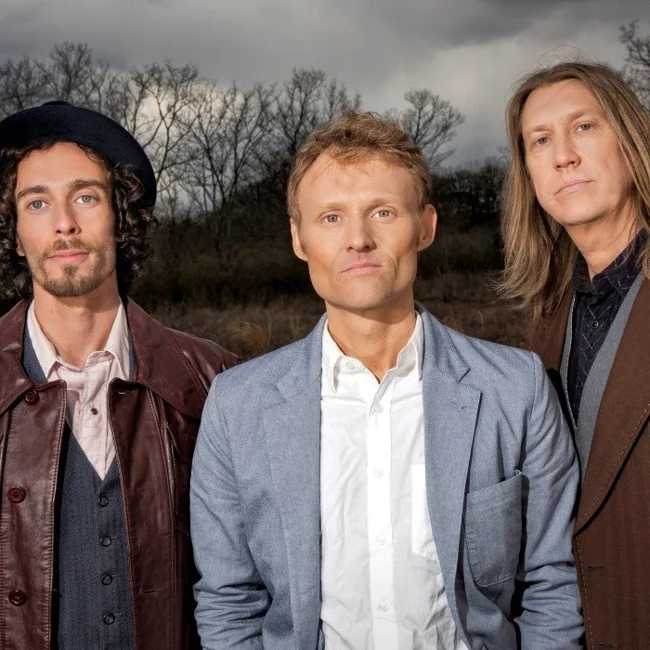 The Wood BrothersArtist, recordings & live dates ↗
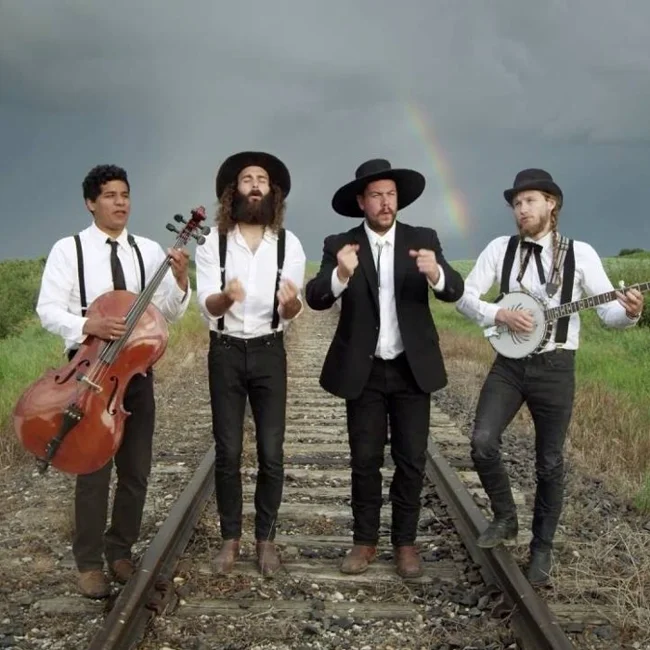 The Dead SouthArtist, recordings & live dates ↗