Choose a setup before choosing a star
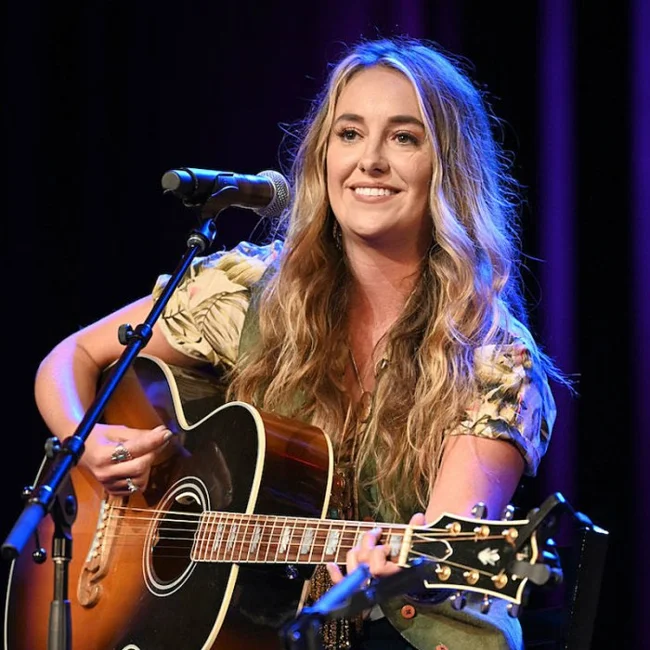
A session library becomes more useful when the question changes from who is famous to what kind of musical attention you have available. Start with a single voice and guitar, move to a harmony partnership, then try a full acoustic ensemble. The same listener can need all three on different days. Short performances are also introductions to musicians whose albums you have not yet explored.
Stapleton’s official Tiny Desk page identifies three selections and Morgane Stapleton’s participation. Childers’ public-radio session supplies a contrasting singer-led starting point. The Del McCoury session introduces an ensemble in which the instrumental and vocal jobs can be followed separately. These are different entry doors rather than a ladder from simple to sophisticated.
A closer look, one question at a time
| Focus | What to record | How to use it |
|---|---|---|
| Voice first | Childers session | Follow the narrative without making a playlist |
| Harmony first | Stapleton session | Separate melody from supporting voice |
| Ensemble first | McCoury session | Follow one instrumental handoff |
Build a six-stop evening
Begin with Childers for a singer-centered introduction, then choose Stapleton for a vocal partnership. McCoury brings the attention to an acoustic ensemble; Hull provides another mandolin-led entry. Clark’s home performance changes the physical setting, while Crockett offers another artist-led session. This running order is an editorial route through the linked catalogue, not a statement that the performances share a genre boundary or recording method. Stop after two if attention begins to drift. A library should let you find a useful next performance, not turn watching into a completion task.
A library that gives each session a reason
Keep mood labels modest. “Story-led” is a more useful description than “sad,” because one listener can hear resilience where another hears grief. “Acoustic ensemble” describes the visible setup more clearly than a claim about authenticity. A session with electric amplification can be intimate; a room full of acoustic instruments can still be forceful. The purpose of a filter is to improve navigation, not to decide which kind of country music is most real.
Return to the artist guide after watching, rather than opening a ticket listing before you know whether the music interests you. A live session can reveal an ensemble you want to hear at greater length. It can also be satisfying on its own. The link between editorial discovery and tour information should serve the reader’s curiosity: hear the music, learn who makes it, then investigate whether a suitable show is available.
Make a personal shelf
Create three small lists instead of one endless queue: performances to start with, performances to revisit, and artists whose albums you want to hear. Put only one reason beside each saved link. If the reason is storytelling, you know why Childers belongs there; if it is ensemble interplay, you have a reason to return to McCoury or Hull. A saved link without a question often becomes an item you never open again.
A friend joining your listening evening may hear a different detail first. Let them choose the second selection. That small change prevents the library from hardening into a test of whether everyone shares one person’s taste. The six starting points here are deliberately different kinds of attention; the useful outcome is finding the next musical question, not making the same choice as the editor.
Watch, listen & explore
Chris Stapleton: NPR Tiny DeskThe artist’s page names More of You, When The Stars Come Out and Whiskey and You; a compact vocal-partnership starting point.Open source ↗Tyler Childers: Tiny Desk ConcertThe public-radio session includes Nose on the Grindstone and spoken song context; use it for singer-led storytelling.Open source ↗The Del McCoury Band: Tiny Desk ConcertPublished set: That Ol’ Train, 1952 Vincent Black Lightning and All Aboard; personnel include Jason Carter on fiddle.Open source ↗Sierra Hull: Tiny Desk ConcertFour songs from A Tip Toe High Wire; the published credits identify Avery Merritt on fiddle and guitar.Open source ↗Brandy Clark: Tiny Desk Home ConcertA home-session context from 2020; compare the setting with an office or concert-stage presentation.Open source ↗Charley Crockett: Tiny Desk ConcertA 2023 NPR performance framed around country, folk and blues repertoire; a contrasting artist-led selection.Open source ↗Follow the sources
Explore the original records, archive material and published accounts behind this article. Each source describes a particular release, performance, collection or event; keep that context when comparing examples.