
An album is a route through music
A tracklist places songs in relationships. Pace, texture, subject and scale can change between neighboring tracks, and those transitions shape the experience of the whole record. You do not need to believe an album tells one continuous story to hear a sequence working. A contrast can be valuable precisely because it interrupts an expectation.
Use the original album sequence or a clearly identified edition. Bonus tracks and expanded editions can alter the ending, while a shuffle setting removes the order under discussion. Keep your response separate from an artist’s declared intention unless a source states that intention. “This transition feels like a release” is an editorial reading, not a fact about a planning meeting.
Golden Hour: hear the first two titles together
Kacey Musgraves’ official tracklist opens Golden Hour with “Slow Burn,” followed by “Lonely Weekend,” and closes with “Rainbow.” Those positions create a simple listening exercise: play the first two tracks without pausing and describe the change in motion and texture. Then hear the final track as an ending rather than as a standalone playlist selection.
The second song has a special practical role because the listener has only one previous track in memory. It can extend the opening mood, clarify a contrast or introduce another side of the record. Do not assume the title alone tells you which job it performs. Listen to the transition and explain the feature that supports your interpretation.
That Lonesome Song: a substantial second chapter
The label’s edition of Jamey Johnson’s That Lonesome Song places “High Cost of Living” second, after “Released.” Use those opening positions to ask how a short initial statement can prepare a larger narrative. The important evidence is the actual sequence; your interpretation should arise from hearing the tracks in that order.
Compare the experience with hearing the second song first. What context disappears? Does your attention settle on a different part of the performance? This is a private listening experiment, not a proposal to “correct” the album. The purpose is to notice the memory a sequence creates and the way one track changes what the next one seems to ask of you.
Two records that announce larger divisions
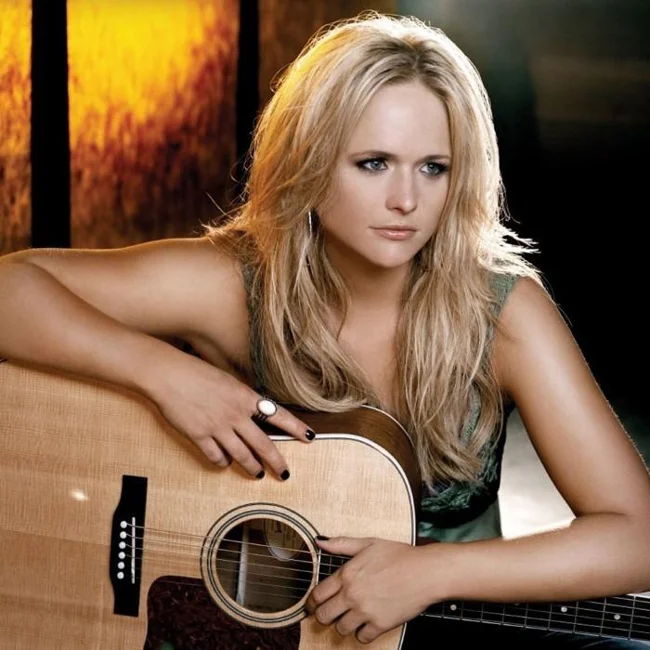
Miranda Lambert’s official The Weight of These Wings release divides the project into The Nerve and The Heart. HARDY’s announcement for the mockingbird & THE CROW describes a two-part country-and-rock structure and identifies its title track as the transition. These are documented framing devices, unlike a purely personal attempt to split an album into moods.
Listen at the division as carefully as at the first track. Does the new section introduce a change of texture, attitude or scale? Does a recurring voice or musical vocabulary keep the halves connected? A title can establish a frame, but the recordings may complicate it. An album can reward a broad organizing idea without making every track fit a neat binary.
| Album | Structural checkpoint | Listening task |
|---|---|---|
| Golden Hour | Tracks one, two and thirteen | Compare invitation, continuation and closure |
| That Lonesome Song | Released into High Cost of Living | Hear what the opening prepares |
| The Weight of These Wings | The Nerve and The Heart | Listen across a named division |
| the mockingbird & THE CROW | Title-track transition | Compare the two-part framing with the audible change |
Draw an album-flow diagram
Write the track numbers across a page and add one word for perceived energy and one for density beneath each. Use your own consistent vocabulary rather than a fabricated decibel or tempo measurement. Mark any transition you want to replay. The diagram represents an individual listening experience; it is not a data analysis of the master files.
Choose one opening pair, one midpoint and the final two tracks for a second pass. Ask what would be lost if the songs were separated. You may discover a contrast that needs the previous track, an ending that resolves a recurring idea or an unexpected reset that keeps the album open. That is the value of sequencing: a familiar catalogue can become a new experience when you restore the order around each song.
Follow the sources
Explore the original records, archive material and published accounts behind this article. Each source describes a particular release, performance, collection or event; keep that context when comparing examples.
Related artist guides
 Kacey MusgravesArtist, recordings & live dates ↗
 Jamey JohnsonArtist, recordings & live dates ↗
 Miranda LambertArtist, recordings & live dates ↗