
Three settings answer three questions
A studio release asks what an artist and their collaborators chose to present as a finished recording. An intimate performance reveals another relationship among voice, song and accompaniment. A full live setting adds a room, other players and an audience. None is automatically more truthful than the others; each gives the listener different evidence.
For an emerging artist, comparing these settings is more useful than declaring a voice powerful after ten seconds. The comparison should use identified versions, official or authorized sources and a complete song wherever possible. Do not call a performance acoustic merely because the image shows a guitar; listen and read the credit for what is actually included.
Carter Faith: start with the released work
Carter Faith’s artist biography identifies Cherry Valley as her 2025 debut album. That creates a clear studio starting point. Her publicity materials also link a performance filmed at Nashville’s Bluebird Cafe for “Still the Sparrow Sings.” These are identifiable pieces of work, not proof that the same song exists in every imaginable format.
Use the studio release to follow the whole arrangement, then use the intimate performance to examine the relationship between singer and accompaniment. Keep your note tied to the specific version. If the songs differ, compare the performance setting rather than pretending you have controlled for composition, tempo and every other variable.
Preston Cooper: separate biography from the sound test
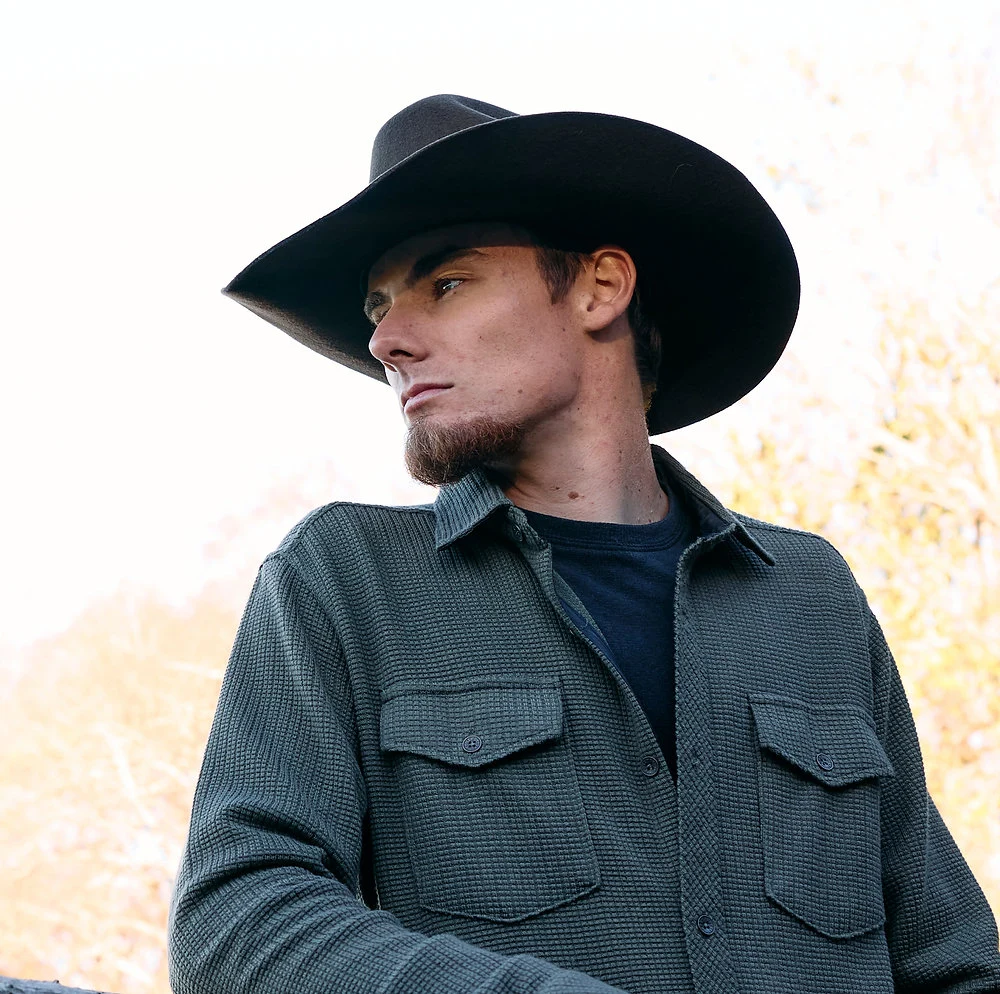
Preston Cooper’s official biography describes the path from local performances and a songwriter round to the Toledo Talkin’ project. His official music and video pages provide a traceable release route. Use that context to identify the artist, then let the recording—not a chain of promotional comparisons—be the first listening encounter.
A description such as gritty or soulful can become a shortcut that tells readers little. Replace it with an observation question: where does the phrase begin, does the singer sustain or release the final note, and how does the accompaniment leave room? You do not need to assign a technical vocal diagnosis to describe what interests you.
A comparison card that does not overclaim
Fill the same fields for each version. The result is a listening record, not a contest to select a real version and dismiss the rest. A studio vocal may contain layers that a small-room performance does not attempt; a live arrangement may be built for a different audience and duration.
If a third documented setting is unavailable, keep the comparison to two. A complete two-version account is more informative than filling the missing box with an unrelated clip or an unofficial upload of uncertain origin.
Include the recording’s introduction when the official session offers one. A songwriter explaining the occasion for a song can provide context that the studio version does not contain. Keep that account attributed to the speaker, and resist replacing it with a dramatic invented scene. If a filmed set starts after the introduction, acknowledge the narrower evidence by discussing the performance you can actually identify rather than reconstructing what might have happened before the camera rolled.
| Field | Studio release | Intimate setting | Full live setting |
|---|---|---|---|
| Source | Official release and credits | Artist or authorized session | Artist or presenter’s complete performance |
| Version identity | Project and release | Song and session name | Date, room and credited bill where available |
| What to notice | Whole arrangement and vocal placement | Voice-accompaniment relationship | Band interaction and room response |
| What not to infer | Private recording process without evidence | That reduced instrumentation means no production | That crowd volume measures singing quality |
Make your own judgement after the comparison
After listening, write one sentence about what stayed recognizable and another about what the changed setting made newly noticeable. Avoid “better” as the only vocabulary. You may prefer one version for focused listening and another for its ensemble energy, or decide that the songwriter introduction changes how you understand the song.
This approach also improves concert preparation. Instead of expecting the record to be reproduced exactly, arrive curious about the choices a live band must make. The reward is a more durable relationship with a voice: one that can survive a different microphone, an unfamiliar room or an arrangement that changes the first impression.
Follow the sources
Explore the original records, archive material and published accounts behind this article. Each source describes a particular release, performance, collection or event; keep that context when comparing examples.
Related artist guides
 Carter FaithArtist, recordings & live dates ↗
 Mae EstesArtist, recordings & live dates ↗
 Preston CooperArtist, recordings & live dates ↗