The credit is a discovery link
You can know a songwriter’s work well before recognizing their singing voice. Country’s collaborative writing culture makes that gap a productive discovery route. Begin with a song you already know, inspect the complete composition credit and choose one writer whose own recordings you have not explored. The writer’s version of an artistic identity may surprise you.
Do not assume a writer’s performance is the original demo, or that the best-known singer wrote the song alone. Songwriting, recording and production are different credits. A careful route preserves the other co-writers and gives the new listener a specific path rather than turning one name into the sole author of a collective work.
Greylan James: follow the writing work outward
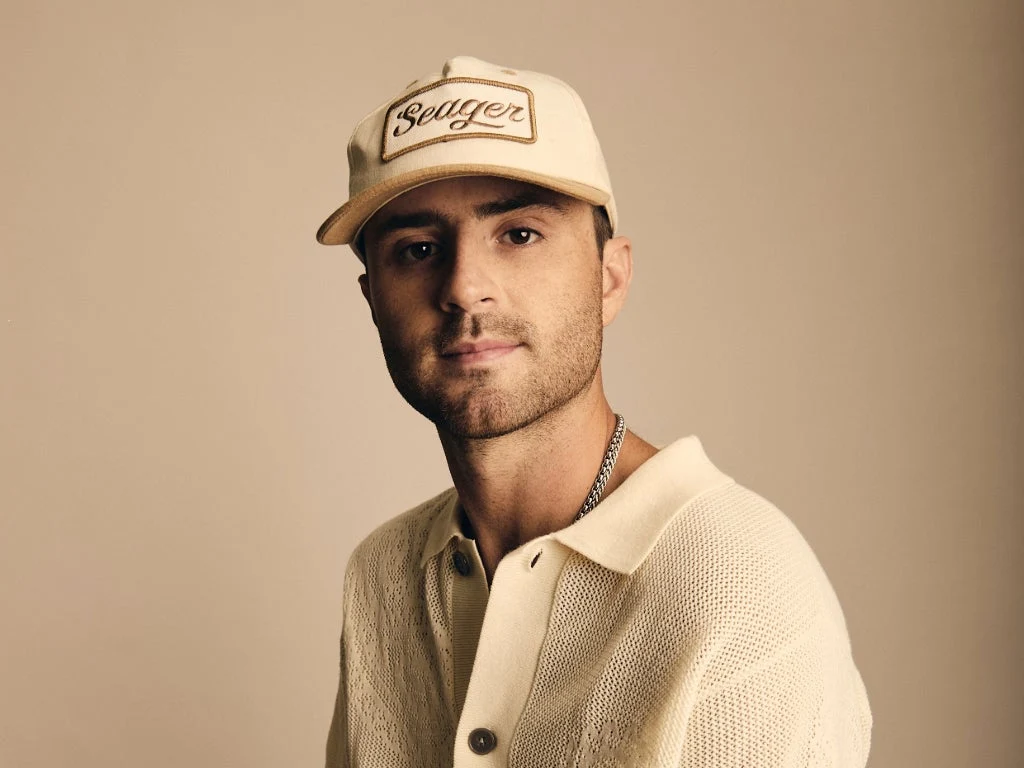
Greylan James’ official biography identifies his co-writing role on Jordan Davis’ “Next Thing You Know.” His artist materials also connect him with recordings by established country performers. Start with the credited Davis song, then move to James’ own official catalogue. You are comparing a writer’s public work in two performing contexts, not trying to prove that the songs must sound the same.
The comparison can be simple: identify the narrative setup, note the role of repeated phrases and ask how the performing voice shapes your attention. A writing credit does not tell you which person supplied a particular line or melodic idea. Unless the writers have explained the division, leave that part open.
John Morgan: a familiar duet opens another door
Jason Aldean’s official release information for “If I Didn’t Love You,” performed with Carrie Underwood, credits Kurt Allison, Tully Kennedy, John Morgan and Lydia Vaughan as writers. That complete list matters. Morgan is a route into his own artist work, while the song remains a collaboration with several creative participants.
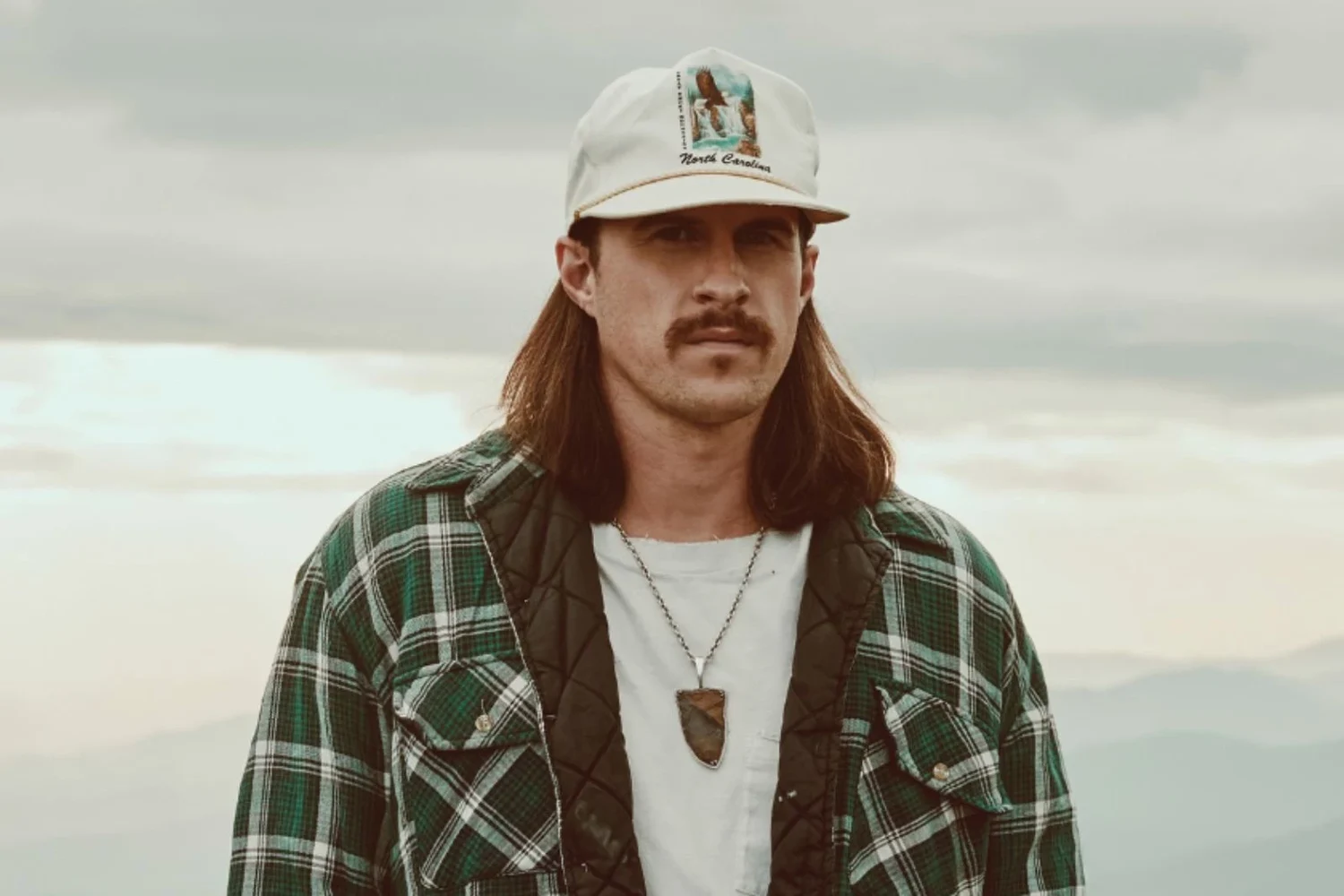
Follow Morgan’s official music page rather than assuming every song in his catalogue was written for another singer first. An artist-writer can release work designed for their own voice, write for others and collaborate across those roles. The interesting question is how the public-facing identity changes when the credited writer becomes the person delivering the song.
Preserve the spelling of Lydia Vaughan in the Aldean release credit rather than copying a shortened or misspelled secondary list. Names are the infrastructure of a writer route: a single error can break the connection when a reader searches a catalogue. The same care applies to punctuation in song titles. A discovery feature should make the next step easy enough that the reader can follow it immediately, without repairing the research first.
| Familiar recording | Writer route | Next step |
|---|---|---|
| Jordan Davis: “Next Thing You Know” | Greylan James as a co-writer | Open James’ official music and performance material |
| Jason Aldean and Carrie Underwood: “If I Didn’t Love You” | John Morgan among four credited writers | Explore Morgan’s artist catalogue |
| Any song you already love | Complete verified writing credit | Choose a writer, then find an official released performance |
Read beyond the headline name
A streaming display may shorten credits or place them behind a menu. Use a label release, publisher catalogue, official recording credit or other reliable source to confirm names. Be careful with artist and writer names that resemble one another. A mistaken identity can produce an impressive-looking connection that does not exist.
Producer and musician credits can open further routes, but do not mix them into the writing list. Someone may have played an important guitar part without composing the song, and a writer may not perform on the master. Giving each role its own line makes the network easier to follow and fairer to the people involved.
Try a three-stop writer route
Listen to the familiar hit first, then a released recording by the writer, then another co-writer’s work if an official catalogue makes that possible. Do not expect a single shared sound. The route is connected by documented creative labor, while each recording has its own performer, arrangement and purpose.
Keep a short credit card with song title, recording artist, full writing list, source and onward recording. Over time, these cards become a personal country discovery system that does not depend on an algorithm predicting resemblance. A credit is both acknowledgement and an invitation: it tells you who helped make something you value and where your curiosity might go next.
Follow the sources
Explore the original records, archive material and published accounts behind this article. Each source describes a particular release, performance, collection or event; keep that context when comparing examples.
Related artist guides
 Greylan JamesArtist, recordings & live dates ↗
 John MorganArtist, recordings & live dates ↗
 Adam SandersArtist, recordings & live dates ↗