Begin with a place someone actually names
Appalachia is too large and varied to be a single musical adjective. A recording may use fiddle, electric guitar, harmony singing or none of those things without becoming more or less entitled to its geography. Start with an artist’s own account of home and then investigate the particular place, rather than assigning a regional identity from a vocal sound.
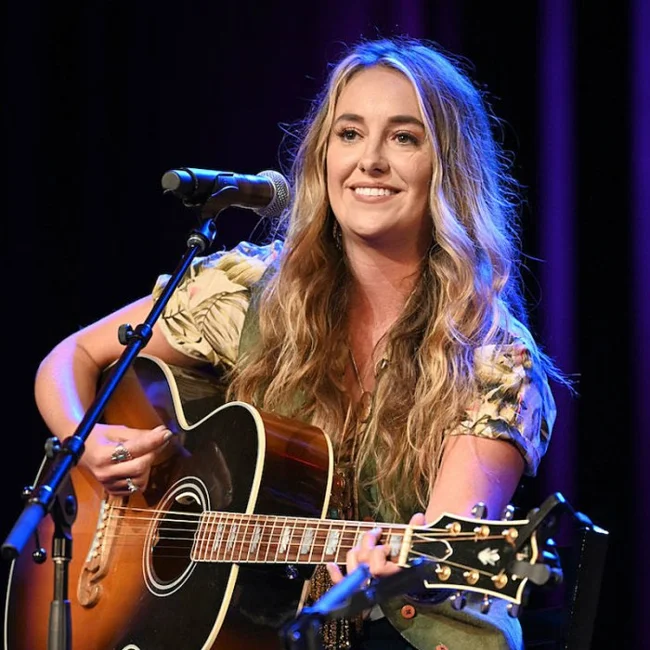
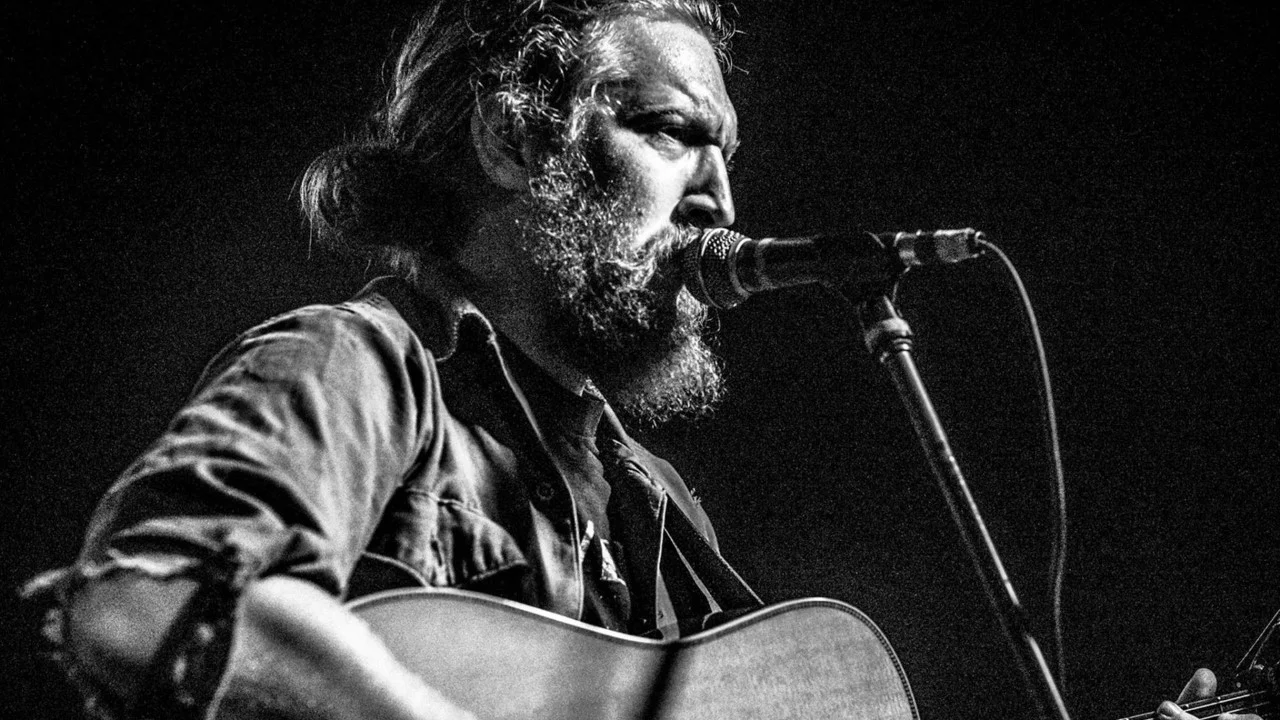
Tyler Childers, Charles Wesley Godwin and 49 Winchester are useful contemporary starting points for country and roots listeners. They do not stand in for every Appalachian musician. Build your route around their documented work and the local histories you encounter, while leaving room for traditions that sit outside a mainstream country playlist.
Use Bristol as a historical lens
The Birthplace of Country Music Museum interprets the 1927 Bristol Sessions. Its educational material is a valuable introduction to the recording process and the people involved. The museum’s name should not be read as a claim that music appeared suddenly in one town. Commercial recording documents music that already had lives in homes, communities and performance settings.
This distinction changes how you listen. A surviving record is not a complete census of who made music in a region. It reflects selection, technology and business decisions as well as performance. Pair archival listening with the institution’s context so that a famous session expands your understanding rather than becomes a convenient origin myth.
A route through three kinds of evidence
Choose one contemporary recording, one artist-led account and one institutional resource. The recording lets you follow the story as art. The artist’s account may establish a relationship to home. The archive can complicate what you thought you knew about the broader region. Do not ask one source to do the work of all three.
For a song that names a place, check whether it is a real location, a fictional setting or a memory transformed for the song. Even an autobiographical writer can compress events or create characters. Hearing a vivid narrative is not permission to treat its narrator as a sworn witness.
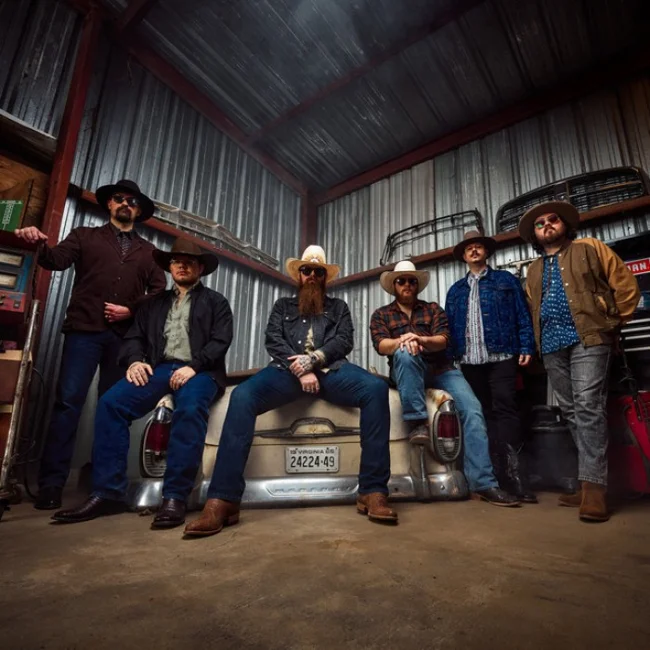
For two concrete catalogue doors, try 49 Winchester’s Fortune Favors the Bold, whose official album account identifies a Russell County, Virginia, base, and Tyler Childers’ Can I Take My Hounds to Heaven?, documented by his label as a release with The Food Stamps. These projects make useful neighbors because they provide identifiable recordings and ensembles. They should not be collapsed into one Appalachian arrangement simply because a regional route connects them.
| Listening stop | Question to carry | Record in your notes |
|---|---|---|
| A contemporary artist’s recording | Which details make this story particular? | Song, version and release |
| An artist-led interview or statement | How does the artist describe home? | Speaker and original source |
| A museum or archive | What does the historical record preserve? | Collection and date |
| A second contemporary artist | What changes across the comparison? | A difference, not a regional stereotype |
Listen beyond the scenery
Descriptions of mountains and mines can be meaningful, but they can also become a lazy filter through which every Appalachian song is heard. Pay equal attention to humor, relationships, work, migration, belief and musical experiment. Do not require an artist to describe hardship before their work qualifies for the route.
Compare the choices that belong to the performance: who carries the melody, how the ensemble uses space and whether a repeated line changes its emotional function. Frame those as listening questions rather than prewritten conclusions. A quiet song is not automatically more truthful, and a loud band is not automatically leaving a tradition behind.
Turn curiosity into a responsible visit
A song can motivate travel, but it is not a visitor guide. Public museums, advertised venues and scheduled festivals are appropriate starting points; private homes and locations mentioned in personal stories are not automatic attractions. Verify current access and build enough time to hear local music rather than driving continuously between symbolic landmarks.
Before leaving this route, add one unfamiliar artist through a local institution or an actual supporting bill. Keep their work beside the better-known names rather than reducing them to a recommendation generated by resemblance. The most useful regional guide helps you notice difference within a place, then gives you a trustworthy path to investigate it.
Follow the sources
Explore the original records, archive material and published accounts behind this article. Each source describes a particular release, performance, collection or event; keep that context when comparing examples.
Related artist guides
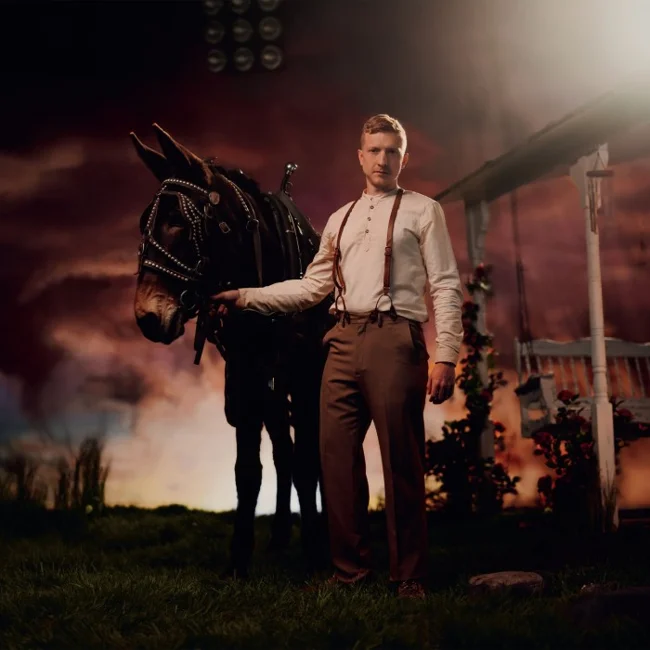 Tyler ChildersArtist, recordings & live dates ↗
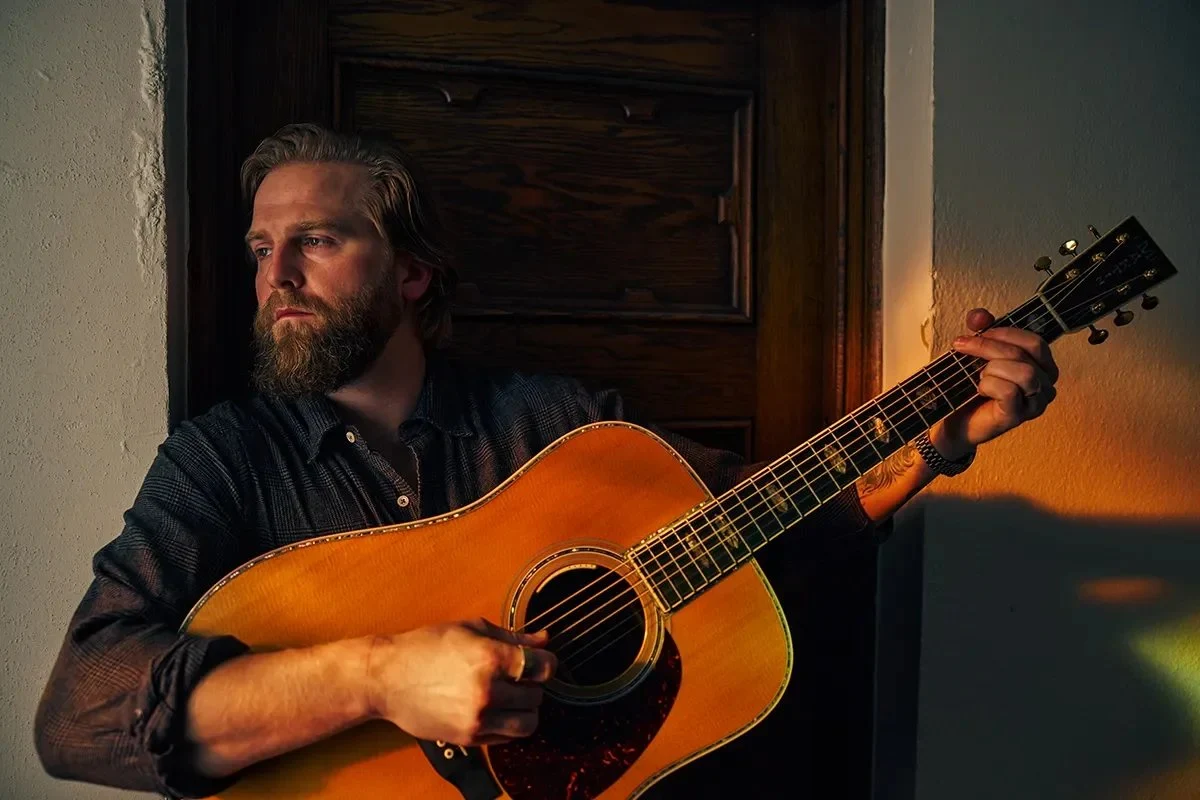 Charles Wesley GodwinArtist, recordings & live dates ↗
 49 WinchesterArtist, recordings & live dates ↗