California is more than one sound
A California country route should hold more than one story at a time. Bakersfield’s recording history is a major entry point, but it does not explain every acoustic session, songwriter or country-rock band associated with the state. Treat the familiar landmarks as one branch of a broader listening tree rather than a complete map.
The useful comparison is between musical communities and their evidence. A tourism history may identify an important venue; an artist biography can establish a formative place; recording credits can show where an album was actually made. Birthplace, working base and recording location are different fields. Keeping them separate makes the route more interesting and more accurate.
Bakersfield: hear history before planning a visit
Buck Owens and Merle Haggard are essential names for a Bakersfield listening introduction. Use a credited recording and then read local historical context. Ask what the rhythm section and electric instruments contribute, and compare performances rather than assigning a sound solely because an artist lived in the city. You can explore a recording history without pretending every surviving building is an active attraction.
That distinction matters for Buck Owens’ Crystal Palace. At this research check, its official website displays a closing notice, while older tourism pages still describe a visitor experience. Treat the Palace as part of the historical route unless its operator confirms a current arrangement. An old guide is not sufficient evidence to recommend buying a ticket or arriving for dinner.
The Bay Area offers another starting point
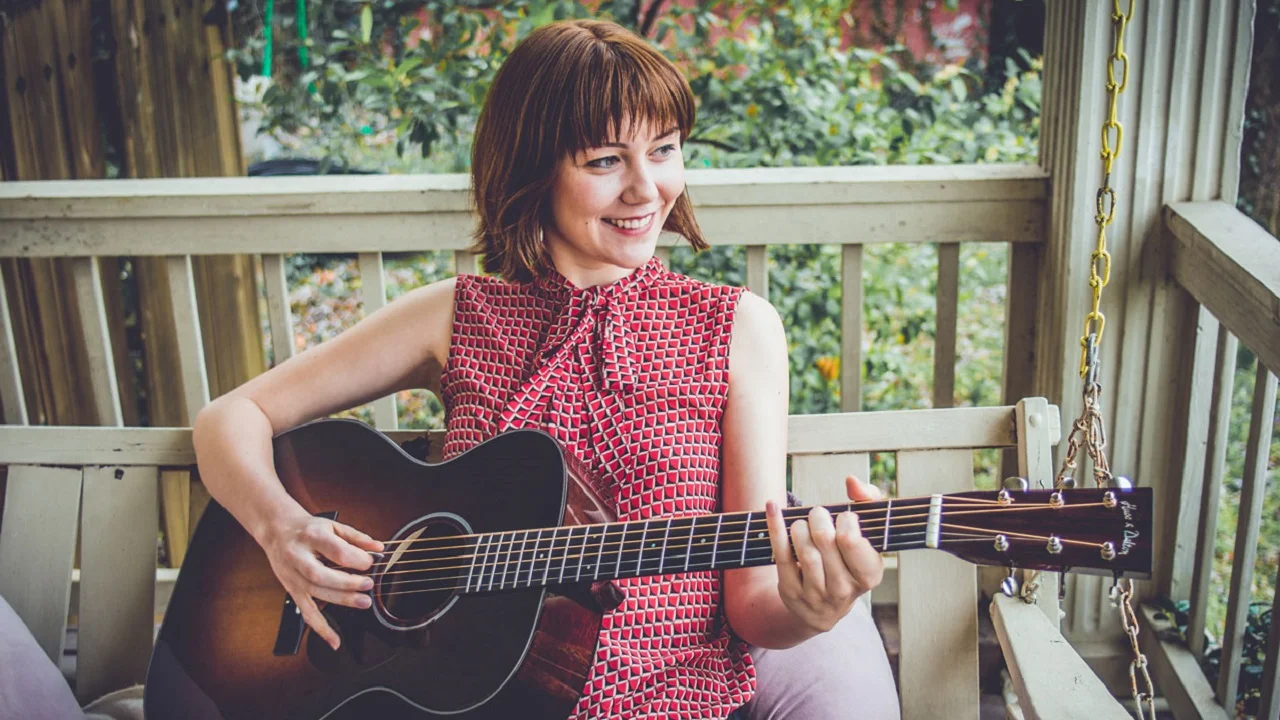
Molly Tuttle provides a different California connection. Her official biography identifies her as California-born and Nashville-based. Nonesuch’s account of her Bay Area visit places her formative musical life around Palo Alto and Gryphon String Instruments. The connection is specific: a musician, a learning environment and a documented return, rather than a generic claim that the state produces one style.
Her catalogue also illustrates why location does not fix artistic direction. A listener can begin with Golden Highway releases and follow her solo work without expecting every arrangement to remain identical. Let the recording announce its own terms. A changing ensemble or producer is an opportunity to hear another decision, not evidence that an artist has abandoned a geographic identity.
Tuttle’s Into the Wild EP supplies an especially useful onward route. Nonesuch’s release information identifies a Kate Wolf cover, “Here in California,” among the material. Follow the composition as well as the performing artist: a song about place can connect generations of recordings without making every version sound alike. This is a more exact California connection than assuming that an album’s recording city and its cultural references must match.
A then-and-now listening matrix
Use two columns when planning your own route: what the record documents, and what can be visited now. This protects historical value from the assumption that a place must still operate to matter. It also prevents an attractive old photograph from becoming misleading travel advice.
Choose two recordings from different branches, then add a third through a documented musician or writer credit. That third step is often where a guide becomes a discovery tool. A collaborator may connect California with another scene in a way that a map of birthplaces never would.
| Connection | Evidence to explore | Useful comparison |
|---|---|---|
| Bakersfield recording history | Buck Owens and Merle Haggard catalogues | Rhythm, guitar and vocal presentation across records |
| Bay Area acoustic learning | Tuttle’s artist and label accounts | Formative environment versus later recording choices |
| Nashville recording network | Current release credits | Where an album was made versus where its artist grew up |
| A historical venue | Operator notice and archive | Past cultural role versus present access |
How to extend the route
Investigate local presenters and instrument shops as well as headline venues. Workshops, small concerts and artist appearances can reveal a working musical community, but each requires a current organizer listing. Do not assume an institution’s historical association with an artist means the artist appears there regularly. Book the event you can verify.
For your notes, record place, relationship, recording and date checked. “Born here,” “learned here,” “recorded here” and “played here” describe different relationships. California’s contribution becomes richer when those verbs remain visible. You end with several connected stories rather than a single label stretched across an enormous state.
Follow the sources
Explore the original records, archive material and published accounts behind this article. Each source describes a particular release, performance, collection or event; keep that context when comparing examples.
Related artist guides
 Molly TuttleArtist, recordings & live dates ↗
 Nikki LaneArtist, recordings & live dates ↗