A national scene contains many local ones
Canadian country is connected by touring circuits, radio, awards and professional organizations, but those networks do not erase local differences. A singer working in British Columbia, an Ontario songwriter and an artist from Peguis First Nation may share a bill while arriving through different communities. Listen for those individual routes before reaching for a single national description.
Use four lenses: the artist’s self-described background, the recordings they have released, the institutions supporting local activity and the actual rooms where they perform. These lenses can overlap without becoming interchangeable. An award category is evidence of recognition; it is not an instruction about how you must hear the music.
The Prairies: keep identity specific
William Prince is a useful starting point because his own artist statement discusses Peguis First Nation and his creative ambition. Read that account directly rather than flattening it into a broad claim about Indigenous country music. One artist’s work can open a listening path while remaining an individual perspective. His label’s artist page provides another route into the catalogue.
For a contrasting Prairie listening entry, explore Jess Moskaluke through her official releases and then follow the relevant provincial association. The point is not to make two artists represent an entire region. It is to hear how different careers and musical choices can coexist within a touring and professional network.
Ontario: follow the local-to-national steps
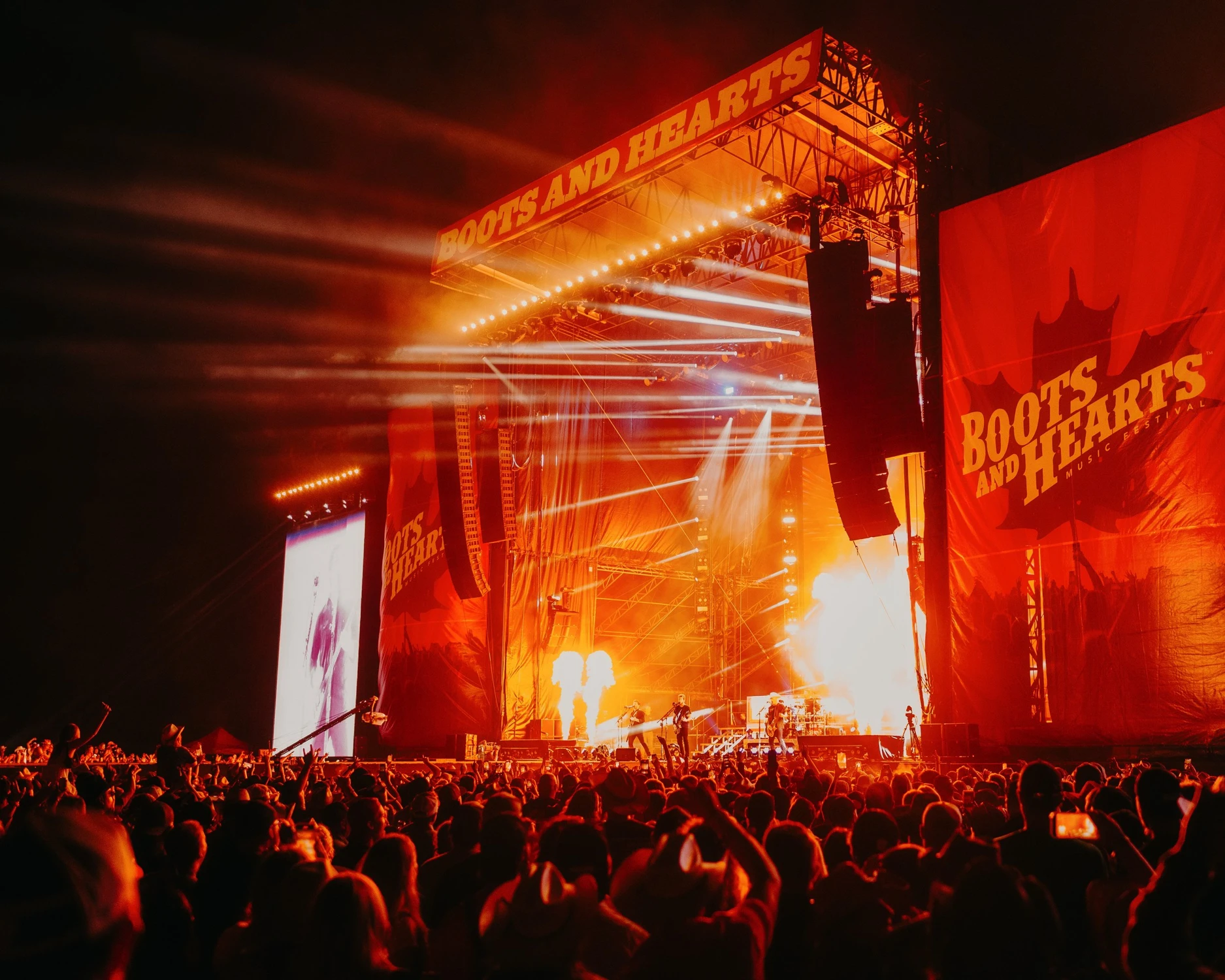
Owen Riegling’s official biography identifies Mildmay, Ontario, as his home community and documents his 2022 Boots & Hearts emerging-artist competition win. Those are useful anchors because they connect a place, an institution and an observable career step. They are more informative than describing every small-town songwriter as the next inevitable arena star.
Andrew Hyatt adds another Ontario route. His official biography discusses country, folk and Americana influences, while his booking biography identifies Sudbury. Listen to the releases as records first, then compare what regional biography adds. Shared province does not require shared arrangements, themes or career strategy.
Atlantic and western routes need their own sources
Provincial music associations can lead to artists who do not yet appear on a national headline list. Use the Manitoba Country Music Association’s links to locate other Canadian associations, then inspect actual showcases and release notices. For Atlantic listening, start with a local association or festival rather than assuming that a touring artist’s stop there makes them a local representative.
The same discipline applies in western Canada. Tyler Joe Miller’s official site identifies Surrey, British Columbia, and provides recordings and live-performance material. That is a precise entry point. It does not authorize a claim that all British Columbia country follows his route or shares his sound.
Use a separate line for where an artist comes from and where they currently work. A musician can build a recording team in Nashville while maintaining a Canadian touring audience and a specific home-community connection. William Prince’s own statement is especially valuable here because it describes ambition and identity in his words. Reading it alongside the catalogue keeps the map from speaking over the person it is intended to introduce.
| Route | Start with | Follow next |
|---|---|---|
| Prairies | William Prince’s own statement | Six Shooter catalogue and local presenters |
| Ontario | Owen Riegling and Andrew Hyatt | CMAOntario and documented live bills |
| British Columbia | Tyler Joe Miller’s official recordings | Provincial association and venue listings |
| Atlantic Canada | A local association or festival | Artist-led biographies and released recordings |
Make the connections audible
Build a four-recording sequence with a different artist for each regional route. Write down one reason for each selection that concerns the music, not a popularity number. Then add the source establishing the artist’s connection to that place. This simple separation keeps discovery from turning into geographic marketing.
If the route becomes a trip, verify the exact event and travel arrangements independently. Canada’s scale makes a map pin look deceptively close to another. A listening route can connect four regions in an hour; a physical itinerary cannot. The most useful atlas tells you which kind of journey it is offering and gives you enough evidence to follow either responsibly.
Follow the sources
Explore the original records, archive material and published accounts behind this article. Each source describes a particular release, performance, collection or event; keep that context when comparing examples.
Related artist guides
 Jade EaglesonArtist, recordings & live dates ↗
 Jess MoskalukeArtist, recordings & live dates ↗