Start with a connection, not a boundary
Country music has never stayed within the lines drawn around it. A musician can grow up in one place, learn from records made somewhere else, record in Nashville and build an audience on another continent. This atlas therefore uses places as entry points. It does not claim that a state has one sound or that an artist must remain where they were born.
Choose one route below, open a recording by a named artist and then investigate the institution beside it. The combination matters: a recording offers an individual perspective; a museum, archive or local association supplies context that one performer cannot represent. Read the scene as a network rather than a competition for authenticity.
Ten doors into a much larger world
Bristol is an archival starting point, not an assertion that music began there. The Birthplace of Country Music Museum interprets the 1927 recording sessions and their later influence. Stillwater’s official music trail, meanwhile, connects Red Dirt history to the gathering place known as The Farm. These are different kinds of evidence: one explains recording history, the other an exchange among working musicians.
| Starting point | Listen through | Follow the connection |
|---|---|---|
| Bristol, Virginia–Tennessee | Carter Family and Jimmie Rodgers | Birthplace of Country Music Museum |
| Nashville, Tennessee | Songwriter sessions | Country Music Hall of Fame and Museum |
| Stillwater, Oklahoma | Bob Childers and Cross Canadian Ragweed | The Farm and Red Dirt histories |
| Central Texas | Wade Bowen and Aaron Watson | Dance-hall calendars and preservation records |
| Appalachia | Tyler Childers and Charles Wesley Godwin | Local histories and artist accounts |
| California | Molly Tuttle and Buck Owens | Bay Area bluegrass and Bakersfield recordings |
| Canadian Prairies | William Prince and Jess Moskaluke | Artist-led accounts and provincial associations |
| Ontario | Owen Riegling and Andrew Hyatt | CMAOntario and live bills |
| United Kingdom and Ireland | Local festival selections and Nathan Carter | The Long Road and country-and-Irish performance |
| Australia | Joy McKean, Slim Dusty and later writers | Tamworth and Golden Guitar histories |
Build a two-recording route
Begin with an older record and a recent artist from the same broad area, but resist calling the second a descendant without evidence. Shared geography is a question to investigate, not proof of influence. In Oklahoma, for example, compare a documented Red Dirt songwriter with a contemporary band, then look for actual shared bills or recorded credits.
Write three observations: what the singer is doing, which instrument answers the voice, and what local detail appears in the story. Keep musical observations separate from biography. You may hear similar guitar sounds in two recordings whose makers never worked together; that is a useful comparison, but it is not a newly discovered collaboration.
When the map becomes a trip
An archive, an active venue and a historical site are not interchangeable destinations. The Farm is a historical connection, not an invitation to visit private land. A dance hall may open only for particular events. A festival’s previous bill tells a scene story but does not provide next year’s dates or guarantee that a musician will return.
For a physical visit, verify the institution’s own access page and the exact event listing. Save the address, opening arrangement, transport option and return plan separately from your listening notes. A beautiful music route can work entirely at home; there is no reason to invent a tourist stop simply because a name belongs on the map.
Keep the route open
After the first route, follow one collaborator or supporting artist to another place. This prevents a regional guide from becoming a closed list of famous names. A producer’s credit, a local radio session or a festival’s smaller stage may lead to a musician who makes the scene more interesting than its headline label suggests.
Return to the atlas with a precise addition: a source, a recording and an explanation of the connection. The strongest country map is not the one with the most pins. It is the one that helps you hear why two pins belong in the same conversation, while leaving enough room for disagreement and change.
Follow the sources
Explore the original records, archive material and published accounts behind this article. Each source describes a particular release, performance, collection or event; keep that context when comparing examples.
Related artist guides
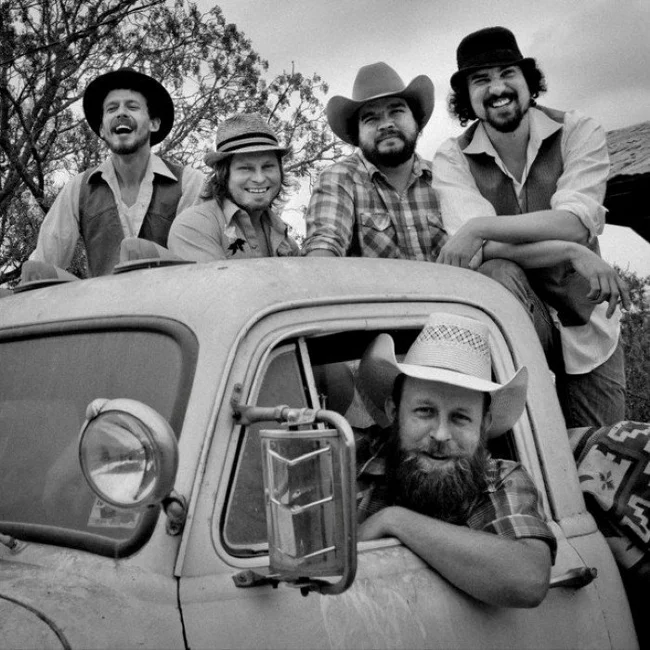 Turnpike TroubadoursArtist, recordings & live dates ↗
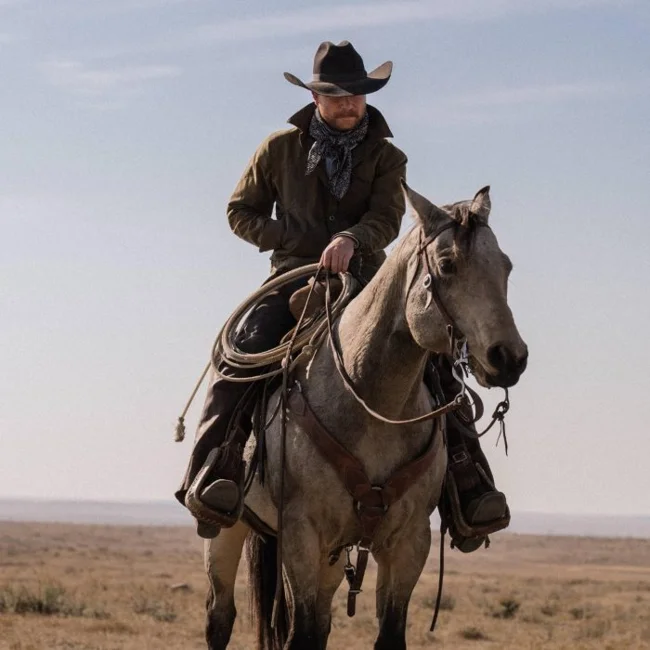 Colter WallArtist, recordings & live dates ↗
 Lainey WilsonArtist, recordings & live dates ↗