Why the ensemble changes discovery
A band is not simply a lead singer with interchangeable people behind them. Membership, instrumental responsibilities and repeated collaboration can become part of the musical identity. Discovering a band means noticing the interactions as well as the voice at the center. Official biographies are a starting roster, not proof that every musician plays on every record or appears at every show.
This selection compares The Red Clay Strays, The Castellows and The Wilder Blue. It is an editorial set of distinct configurations, not a ranking of the best new country bands. Use the group’s own current information for membership and a specific recording’s credits for what happened in the studio.
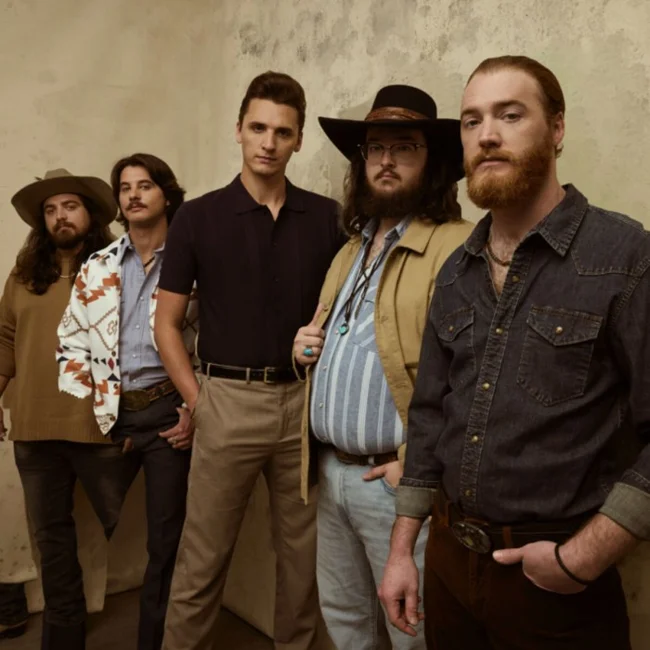
The Red Clay Strays: follow the full band
The Red Clay Strays’ official account identifies a Mobile, Alabama, origin and names Brandon Coleman, Drew Nix, Zach Rishel, Andrew Bishop and John Hall in its core band description. For a first encounter, begin with the group’s own catalogue and a complete official performance. Watch the rhythm section and guitar relationships rather than keeping your attention fixed on the singer.
The useful question is how responsibility moves. Who provides the rhythmic foundation? When does a guitar become a reply rather than a continuous layer? Does the arrangement make room for another voice? These prompts do not assume that all performances have the same lineup or arrangement; verify the exact version before assigning a visible part to a studio credit.
Watch the transition between a singer’s phrase and the next instrumental moment. A band can maintain momentum by filling that space or by leaving it open. The question is not whether a player performs the most notes, but whether the ensemble makes the next phrase feel prepared. This focus works particularly well for a second viewing because it directs attention away from a charismatic front person and toward the cooperation that makes the performance function.
The Castellows: a trio with identifiable roles
The Castellows’ official and label descriptions identify sisters Ellie on lead guitar, Powell on banjo and Lily on vocals. Those documented roles make an approachable entry into watching an ensemble. Begin with A Little Goes A Long Way, then follow the official performance material to see how the recorded work is presented.
Listen for the relationship between a named instrumental role and the vocal arrangement. A banjo player may support a phrase differently from a lead guitarist, but an instrument label alone cannot explain every musical choice. If the live setting adds other players, note them separately instead of treating the expanded ensemble as evidence of a membership change.
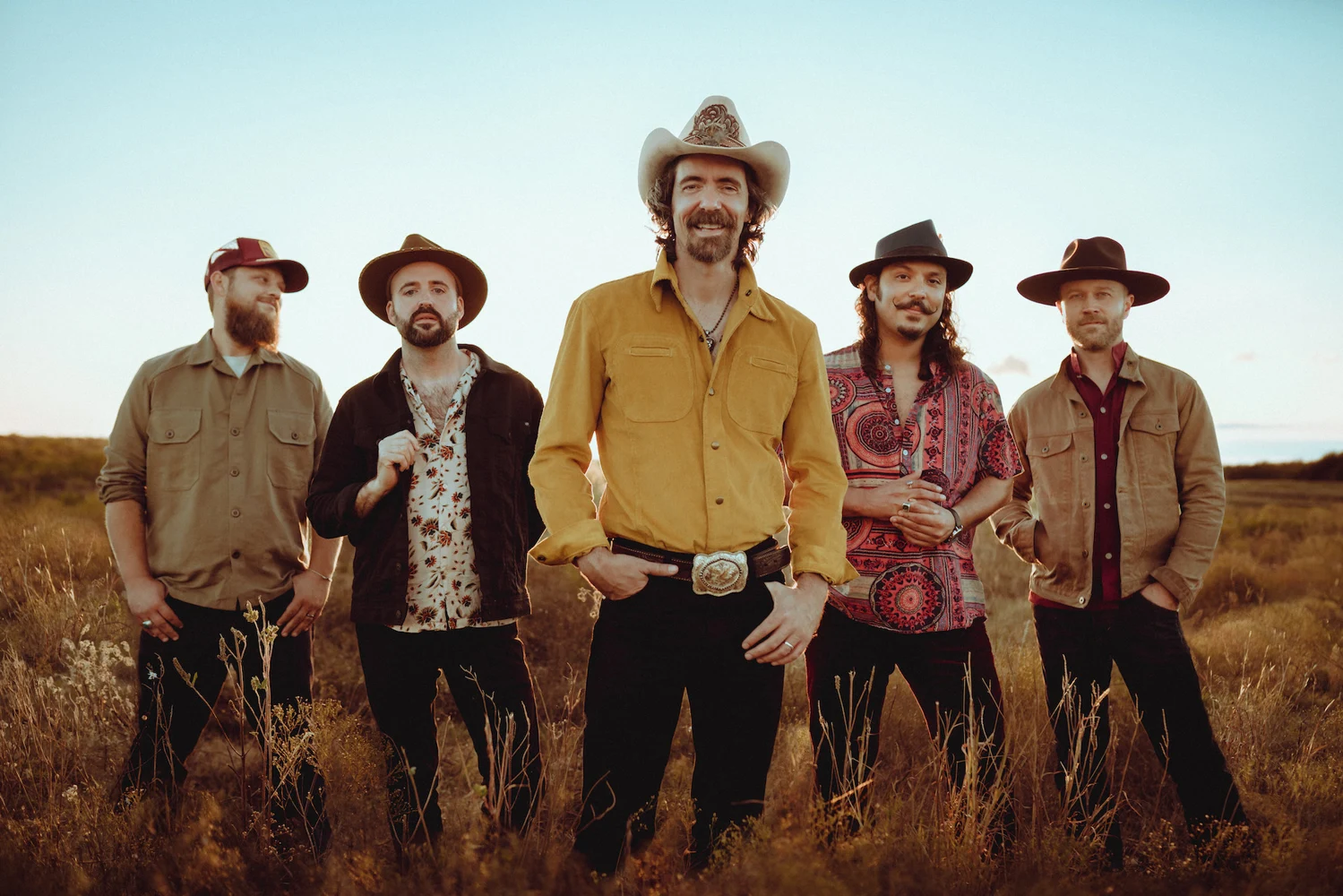
The Wilder Blue: collaboration as a working identity
The Wilder Blue’s official biography names Zane Williams, Paul Eason, Lyndon Hughes, Sean Rodriguez and Andy Rogers, and describes the collaborative making of Cinco. This is a useful entry into a band with multiple instrumental and vocal resources. Start with the album as a sequence, then choose a performance where you can follow the players clearly.
A harmony-rich group rewards a second pass with a different focus. First follow the melody; next attend to entrances around it; finally listen to how the rhythm supports the vocal texture. The aim is not to identify a singer from a blended recording by guesswork. Credits and visible performances should carry that attribution.
| Band | Documented entry point | What to follow on a second pass |
|---|---|---|
| The Red Clay Strays | Official band account and catalogue | Rhythm section and exchanges among guitar parts |
| The Castellows | A Little Goes A Long Way | Banjo, lead guitar and vocal relationships |
| The Wilder Blue | Cinco and official group biography | Shared instrumental resources and vocal entrances |
Use a role diagram carefully
Draw the lead voice in one box, the pulse in another and answering parts in a third. Add names only when the credits or the performance establish them. A diagram should explain the arrangement you are studying, not claim that one person always owns the same job. Members can switch instruments, songs can change and a guest is not automatically a band member.
After comparing the three groups, choose another band through a real shared bill or a credited collaboration. That next step creates a listening path grounded in work. You may discover that the ensemble detail you enjoy is not a genre label at all, but a particular balance of voices, guitars and rhythmic space.
Follow the sources
Explore the original records, archive material and published accounts behind this article. Each source describes a particular release, performance, collection or event; keep that context when comparing examples.
Related artist guides
 The Red Clay StraysArtist, recordings & live dates ↗
 The CastellowsArtist, recordings & live dates ↗
 The Wilder BlueArtist, recordings & live dates ↗