The gathering matters as much as the label
Red Dirt is a useful discovery term precisely because it is difficult to reduce to a checklist of sounds. Stillwater’s public history emphasizes musicians exchanging songs, working together and returning to the same social spaces. Start there rather than trying to decide whether a drum beat is sufficiently Oklahoma. The scene’s connections are more informative than a rigid genre test.
The Farm, remembered through Oklahoma’s official music trail, is central to that history. It represents a gathering place associated with musicians including Bob Childers. Treat it as a documented historical connection, not a tourist attraction with guaranteed public access. The story concerns what people made together, not the opportunity to photograph a building.
Begin with the songwriters
Bob Childers is an essential first research stop. Stillwater’s official account places him among the figures who shaped its musical culture. Listen to a credited recording, then trace who else recorded or performed the song. That is a stronger introduction to a songwriting community than starting with the largest present-day crowd.
Keep three names apart in your notes: songwriter, recording artist and performing guest. A familiar song may travel through several singers, and the best-known version may not be the writer’s. When a title connects two artists, check the writing credit rather than assuming the song belongs to whichever performer introduced you to it.
For a compact first sequence, keep one Childers recording beside a Cross Canadian Ragweed track and a Jason Boland & The Stragglers track. You are not testing which one is most Red Dirt. You are creating a set of questions about songwriter identity, band interaction and the way a song travels from one performance to another. Add a documented writer credit before drawing any historical arrow between them.
Follow bands outward
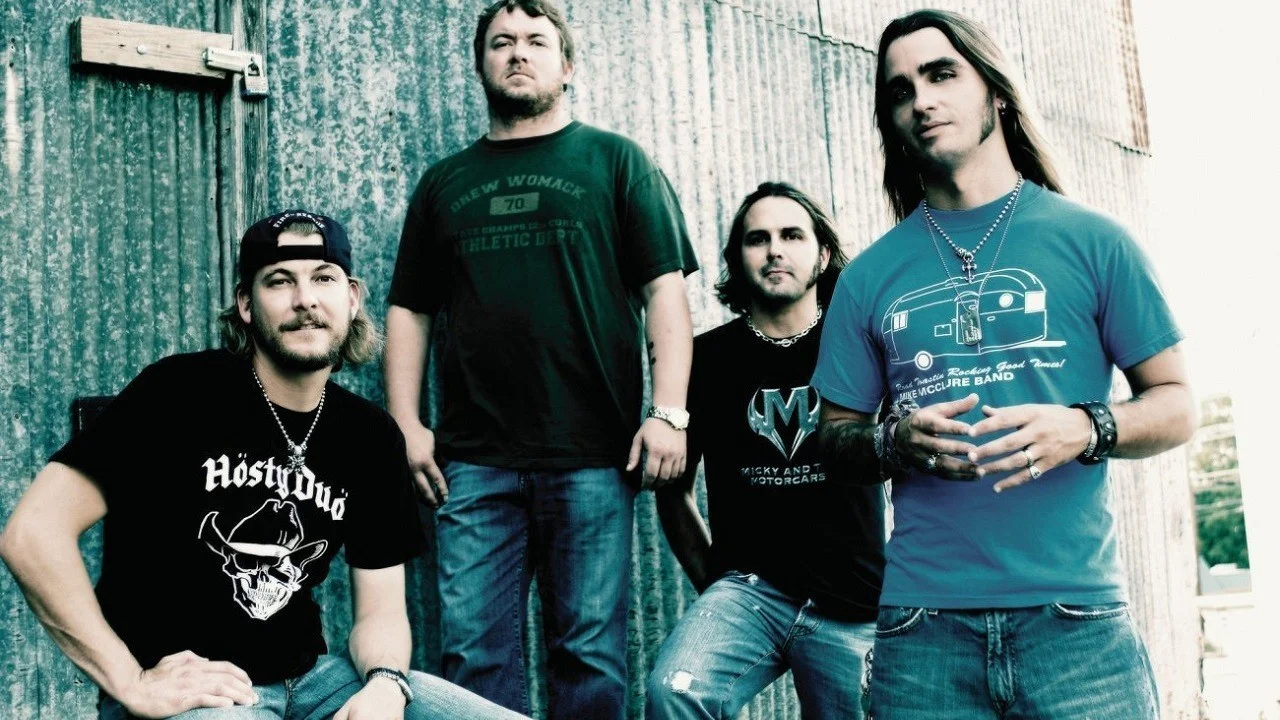
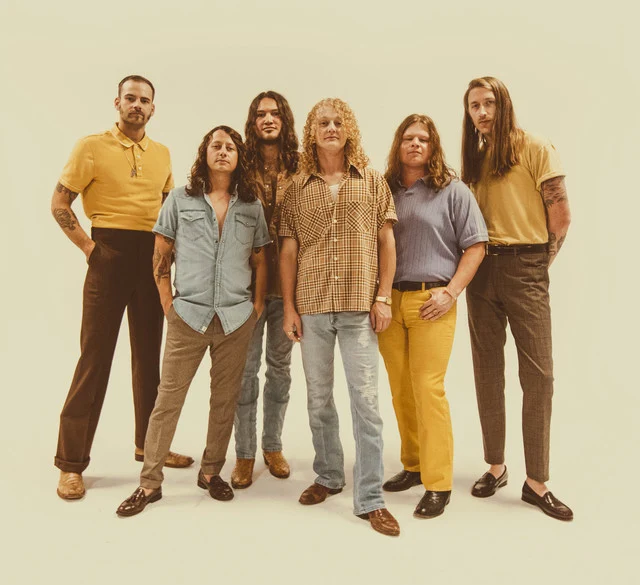
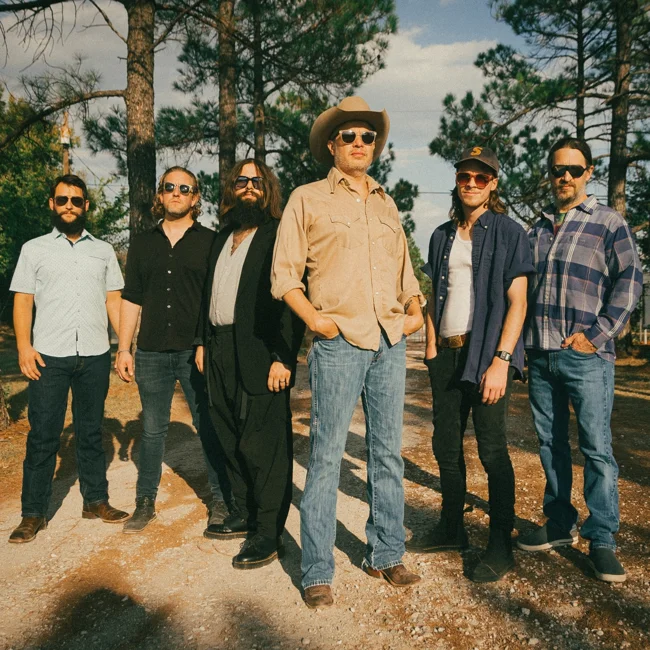
Cross Canadian Ragweed, Jason Boland & The Stragglers and Southall offer different entries into an Oklahoma listening route. Use their official catalogues and histories to compare the role of a band identity with the role of an individual songwriter. These are selected examples, not an exhaustive family tree or a ranking of who represents the region best.
Listen to a complete recording from each rather than three isolated choruses. Ask whether the arrangement leaves room for a story, how the ensemble supports the singer and where the music changes energy. Those questions allow useful comparison without inventing personal influences or claiming that every artist in the area sounds alike.
| Connection to investigate | Useful evidence | Avoid assuming |
|---|---|---|
| Songwriter to recording artist | Published writing credits | That the biggest recording is the original |
| Band to another band | A dated shared bill or credited recording | That a similar sound proves direct influence |
| Stillwater to Tulsa | Venue histories and actual event records | That every historical room is still operating |
| Older scene to newer artist | An artist’s own account | That birthplace determines genre identity |
Let Tulsa add another layer
A Stillwater-to-Tulsa route should remain an invitation to investigate Oklahoma music, not a shortcut that merges every local tradition into Red Dirt. Tulsa has its own artists, rooms and histories. Use a venue archive or institution to identify the actual connection you want to follow, and be willing to discover music outside the category you began with.
If you plan a trip, choose a real show first and build the day around it. A historical anecdote cannot supply a current opening time. Verify whether the named room is operating, whether the event is seated or standing and whether the artist is actually on that bill. Keep those practical facts separate from the scene history.
Make a connection ledger
Use four fields: name, recording, relationship and source. A useful relationship might be “co-wrote,” “recorded a song by,” “shared this dated bill” or “identified this musician as an influence.” Specific verbs stop a network diagram from becoming a vague cloud of famous names. Mark connections that remain listening comparisons rather than documented collaborations.
The reward is a route you can extend responsibly. One songwriter can lead to an unfamiliar recording; a support slot can lead to a younger band; a local event can lead to a community organization. Red Dirt becomes more compelling when it is allowed to be a living exchange, with room for changes in membership, sound and ambition.
Follow the sources
Explore the original records, archive material and published accounts behind this article. Each source describes a particular release, performance, collection or event; keep that context when comparing examples.
Related artist guides
 Cross Canadian RagweedArtist, recordings & live dates ↗
 SouthallArtist, recordings & live dates ↗
 Jason Boland & The StragglersArtist, recordings & live dates ↗