Let the work set the route
A history told only through milestones can flatten musicians into evidence for somebody else’s argument. Recordings, writing and performance accounts offer a richer route. Begin with a particular work and ask what the musician made, how it was presented and what sources illuminate its context.
The Country Music Hall of Fame’s From Where I Stand project provides a documented starting catalogue. Its track-level approach makes it possible to follow specific artists and recordings without treating every career as one continuous, identical story.
DeFord Bailey: listen beyond a milestone
The museum’s account of DeFord Bailey identifies his harmonica work and his place in early country and blues performance. Its educational material links “Pan American Blues” to his representation of train sounds. That offers an immediate musical question: how can an instrument evoke a place, machine or movement?
Start with the identified performance and its source context. Distinguish a later filmed appearance from an earlier recording of the same piece. A song title alone does not establish which performance you are hearing, and an archival date should remain attached to the version.
| Choice | What to record | Why it matters |
|---|---|---|
| Recording | Title and exact version | Hear a specific creative work |
| Account | Who is speaking and when? | Preserve individual context |
| Connection | A documented shared element | Avoid presumed influence |
| Next step | A credit, interview or related recording | Keep the route open |
Rhiannon Giddens: follow the artist’s account
The museum’s conversation with Rhiannon Giddens discusses a career engaged with Black musicians’ contributions to country and other roots traditions. Its educational material also identifies the original Carolina Chocolate Drops members as Giddens, Dom Flemons and Justin Robinson. That specificity gives listeners people and work to investigate, rather than a vague category.
Use the interview as a guide to questions, then return to recordings. Ask how an artist discusses the relationship between research, repertoire and new creation. Avoid making a historical source into an instruction that every contemporary Black country artist must pursue the same musical approach.
Continue without collapsing differences
A route can move from an archive to a contemporary artist, but the connecting sentence needs to be precise. A shared instrument, a documented cover or an explicit first-person reference is stronger than assuming direct influence because two people share an identity.
Keep a listening card for each work: performer, title, version, date and one question. Contemporary country artists deserve attention to arrangement, writing, vocal choices and career context on their own terms. The route should make that attention easier, while leaving the individual distinctions intact.
Use a pathway rather than a token playlist
Build a pathway with three kinds of record: one work, one artist account and one contextual source. The recording provides something to hear; the account gives an individual perspective; the contextual source helps place it. Do not require all three to tell exactly the same story. An artist may be interested in a creative decision that a museum places within a broader historical argument. Reading those perspectives together can be productive when their different purposes remain clear. The pathway should increase attention to the work instead of using it as decoration for an already fixed thesis.
For a discussion group, ask each person to bring a question grounded in a specific item. One listener may ask about the use of harmonica as a representational instrument; another may follow a string-band recording into the named performers’ later work. Keep the question small enough to answer with actual material. Avoid presumed statements about what an entire audience thought, what an artist privately intended or which genre label everyone accepted. Those claims require evidence of their own. Curiosity does not need a totalizing conclusion to lead to a rewarding listening session.
Keep the source and the listening link next to each other. This lets a reader move between a creative work and its context without relying on an unsupported summary of what the performance supposedly demonstrates.
- Preserve the exact names of group members where an institutional source supplies them.
- Keep a historical recording distinct from a later performance even when the song title is identical.
- Choose contemporary works for their creative interest as well as their place in a historical discussion.
Follow the sources
Explore the original records, archive material and published accounts behind this article. Each source describes a particular release, performance, collection or event; keep that context when comparing examples.
Related artist guides
 Brittney SpencerArtist, recordings & live dates ↗
 BRELANDArtist, recordings & live dates ↗
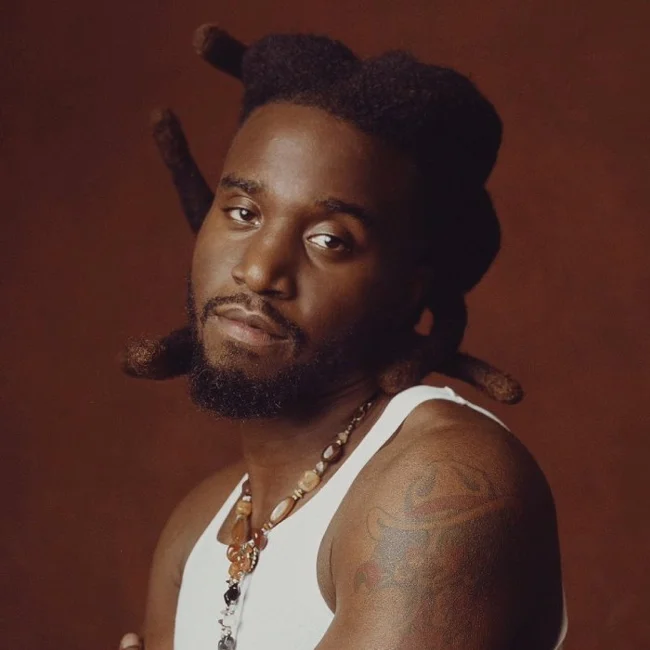 ShaboozeyArtist, recordings & live dates ↗