Start with a name, not a borrowed flavor
It is easy to describe accordion in a country recording as a borderland flavor and stop there. That leaves out the musicians and traditions that made the sound possible. A stronger route follows a specific performer, a credited recording and the collaboration around it. Flaco Jiménez offers an unusually rich starting point.
Smithsonian Folkways documents his place in conjunto and his work across other musical settings. The Country Music Hall of Fame and Museum also connects his accordion to country recordings and collaborative groups. These accounts allow a precise route without collapsing conjunto, norteño, Tejano and country into interchangeable labels.
First stop: “Streets of Bakersfield”
The 1988 Dwight Yoakam and Buck Owens recording of “Streets of Bakersfield” includes Jiménez. That credit is the important first connection. Rather than assuming an accordion part simply decorates the song, listen for when it enters, when it leaves space for a voice and how it relates to the rhythm beneath it.
These are prompts for your own listening, not a claim about an isolated studio track. Use the released recording and compare a credited performance if available. You do not need access to the master recording to notice relationships, but you should avoid declaring which microphone, edit or production technique caused a sound unless a production source establishes it.
Second stop: a group built from several histories
The Texas Tornados connect Jiménez with Doug Sahm, Freddy Fender and Augie Meyers. Each name is an invitation to another catalogue. The group is more useful as a collaborative meeting point than as evidence that distinct traditions have disappeared into one new category. Follow a member outward, then return to hear the group again.
An exchange map can use precise verbs. “Appeared on,” “formed a group with” and “recorded a duet with” have meanings that a vague influence arrow does not. If you cannot establish the verb, keep the relationship as a listening comparison. This protects an attractive diagram from overstating what the record actually proves.
Add the instrument’s name to the credit card, but do not use it as a shortcut to a complete tradition. Accordion appears in many musical contexts. Jiménez’s own family and professional history, as documented by Folkways, gives this route its specificity. Following that history is more informative than assuming an instrument carries the same meaning in every recording where it is heard. A familiar timbre can become an invitation to learn, rather than the end of the explanation.
| Route | Documented connection | Listening question |
|---|---|---|
| Flaco Jiménez → “Streets of Bakersfield” | Accordion on the Yoakam–Owens recording | How does the instrumental voice relate to the singers? |
| Jiménez → Texas Tornados | Group with Sahm, Fender and Meyers | What changes when several musical backgrounds share an ensemble? |
| Jiménez → Partners | Collaborative album documented by institutions | How do guest voices change the song setting? |
| An instrument → a tradition | Context from musicians and archives | What history disappears if the instrument is treated as decoration? |
Third stop: the collaborative album
Jiménez’s Partners provides another branch. Institutional accounts identify collaborations involving country and other performers, including artists such as Emmylou Harris and Dwight Yoakam. Choose one credited track and follow the guest to another recording. The point is not to accumulate a list of celebrity names; it is to hear an actual musical relationship.
Keep composition, performance and cultural history distinct. A singer may perform in a style they did not originate; a collaboration can be meaningful without making every participant an expert representative of the other tradition. Where a cultural claim matters, use musicians’ own accounts and specialist archives rather than a promotional phrase.
Make room for language and attribution
Do not describe a Spanish-language performance as merely a version for a different market. Language, repertoire and audience can be central to the work. Preserve song titles and artist names accurately, including accents where documented. When a translation is needed, explain who supplied it rather than presenting a loose paraphrase as an official lyric.
Extend the route to The Mavericks or Charley Crockett through a specific release or documented collaborator, not simply because a broad genre label feels adjacent. A good borderland guide shows the bridge and the people on it. It leaves listeners with a richer understanding of exchange, while refusing to erase the distinct histories that make exchange interesting.
Follow the sources
Explore the original records, archive material and published accounts behind this article. Each source describes a particular release, performance, collection or event; keep that context when comparing examples.
Related artist guides
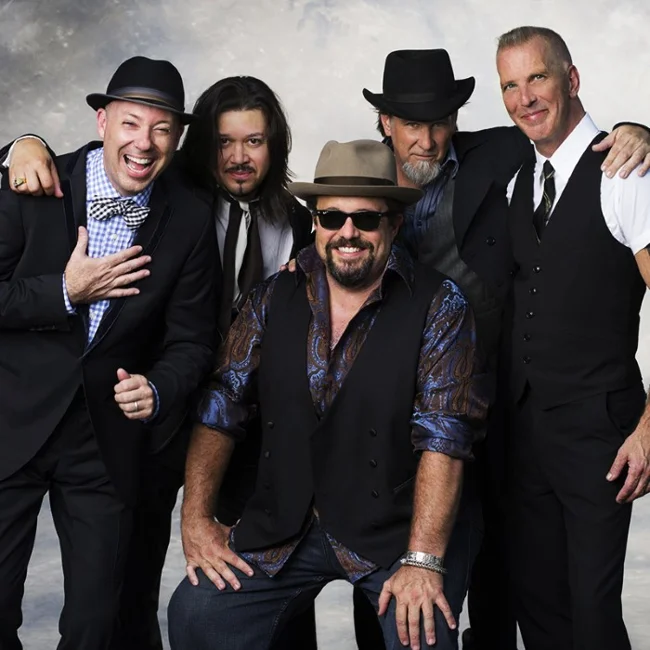 The MavericksArtist, recordings & live dates ↗
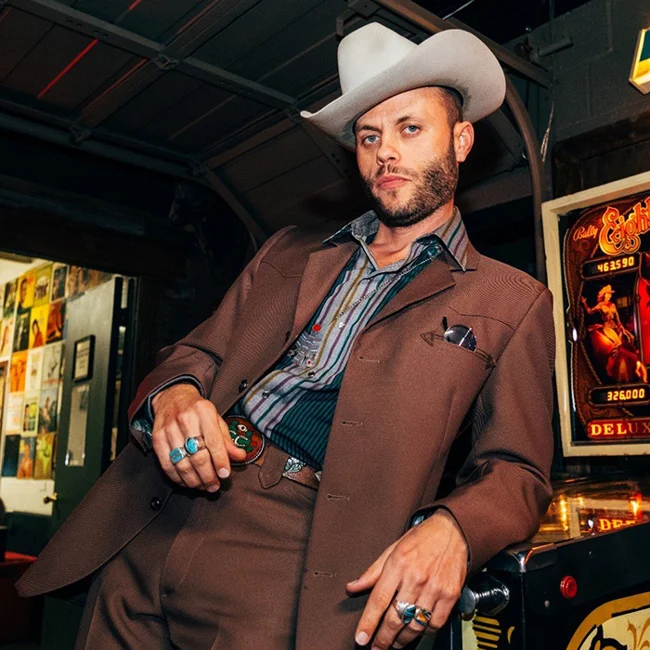 Charley CrockettArtist, recordings & live dates ↗