Replace the overnight-success story
A career summary often skips from an early clip to a major release, leaving the impression that the middle happened automatically. Comparing specific routes reveals a less tidy picture. Songs, collaborators, institutions and performance opportunities can matter in different orders. A documented milestone is a useful anchor; a promise of inevitable growth is not.
These six cases are not a statistical sample of the industry. They are a comparison of public, first-party career evidence. They show possible routes rather than a formula a new artist can reproduce. Keep dates attached to the milestone itself, and avoid using current audience totals to rewrite what an earlier moment felt like.
Three recording-led routes
Ty Myers’ label account connects his 2023 debut single “Tie That Binds” with the later The Select album. Wyatt Flores’ label release places Welcome to the Plains in October 2024 and identifies earlier work that helped establish his audience. These examples let a reader compare a first point of attention with a longer project, rather than treating one song as an entire identity.
Ashley Cooke’s July 2023 debut album shot in the dark offers another route. The Country Music Hall of Fame’s recorded songwriter session subsequently presents songs from that project in a different setting. A career can therefore be followed through more than release announcements: an institutional performance can reveal how the writer introduces and performs the work.
Three routes through collaborators and institutions
The Castellows’ label announcement documents a sibling trio developing into a signed recording act, with the debut EP following in February 2024. John Morgan’s route is particularly useful for separating songwriter success from artist identity: his work appears on Jason Aldean recordings, while his own catalogue creates another encounter with the writer.
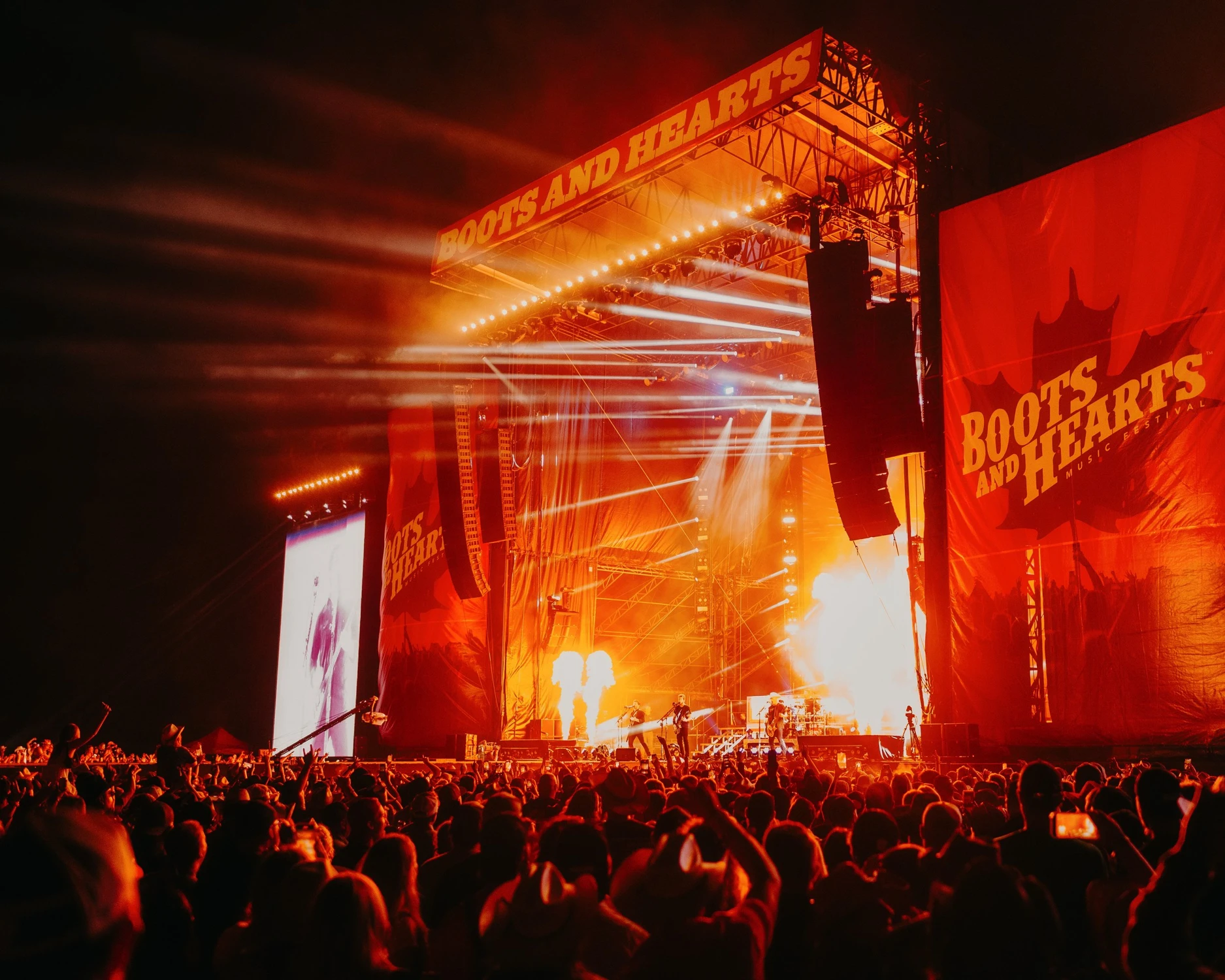
Owen Riegling’s official biography documents a 2022 Boots & Hearts emerging-artist competition win before later releases and live work. This is a concrete institutional step, not evidence that competitions are the necessary route for Canadian artists. Compare the opportunity with what the artist actually released afterward.
| Artist | Public milestone to inspect | What makes this route useful |
|---|---|---|
| Ty Myers | 2023 “Tie That Binds” → The Select | Attention becomes a longer recorded statement |
| Wyatt Flores | Earlier releases → 2024 debut album | A catalogue grows beyond a breakout entry |
| Ashley Cooke | 2023 debut → museum songwriter session | The same work meets a different performance setting |
| The Castellows | Label signing → 2024 debut EP | An ensemble identity develops around shared roles |
| John Morgan | Outside songwriting cuts → own artist releases | Writing and performing are connected but distinct careers |
| Owen Riegling | 2022 festival competition → subsequent releases | A local institution becomes one documented opportunity |
What the timelines leave out
A public announcement rarely measures rehearsal, rejected songs, financial support or the people doing daily work around a performer. Do not infer those details from a polished biography. Likewise, a first album is not necessarily a first musical experience, and a first chart appearance is not necessarily a first paying audience.
When comparing artists, use like-for-like categories. A songwriter credit is not equivalent to a headline tour; an opening slot is not equivalent to a festival appearance; a viral clip is not equivalent to a full release. The differences are the point. Flattening them into a single success score removes the most useful information.
For a useful visual timeline, give each artist their own horizontal line and keep the scale tied to actual dates. Mark an album as a release, a session as a performance and a competition as an institutional event. Do not position an undated anecdote precisely between two known milestones. Even a simple diagram becomes misleading if its neat spacing quietly invents a chronology that the public sources do not establish.
Follow the work after the milestone
For each case, listen to one recording before the chosen milestone and one after, where both are available. Ask what has changed in repertoire, ensemble or presentation, but do not assume bigger production means artistic progress. A later acoustic performance may reveal a different priority rather than a smaller version of the same ambition.
A practical career notebook needs four columns: date, work released or performed, documented partner and source. Leave private motivations blank unless the artist explains them. This produces a more honest and more interesting story than an overnight-success narrative, because the reader can see the actual choices and connections rather than only the outcome.
Follow the sources
Explore the original records, archive material and published accounts behind this article. Each source describes a particular release, performance, collection or event; keep that context when comparing examples.
Related artist guides
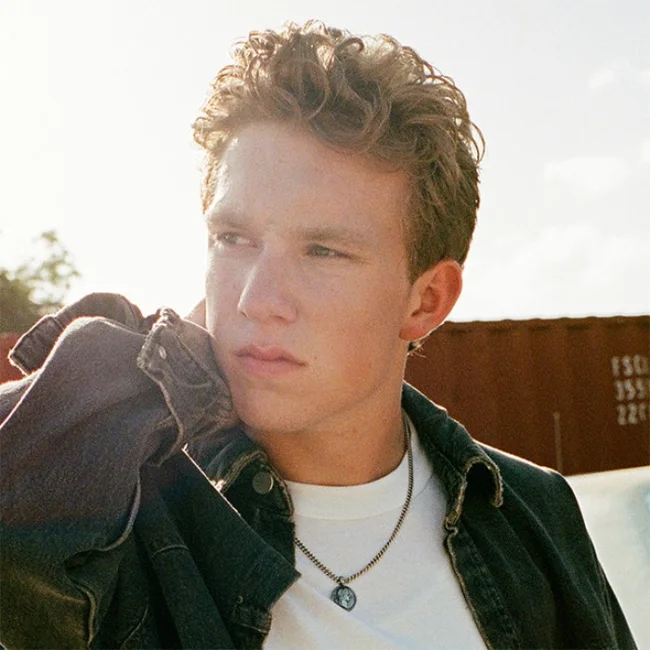 Ty MyersArtist, recordings & live dates ↗
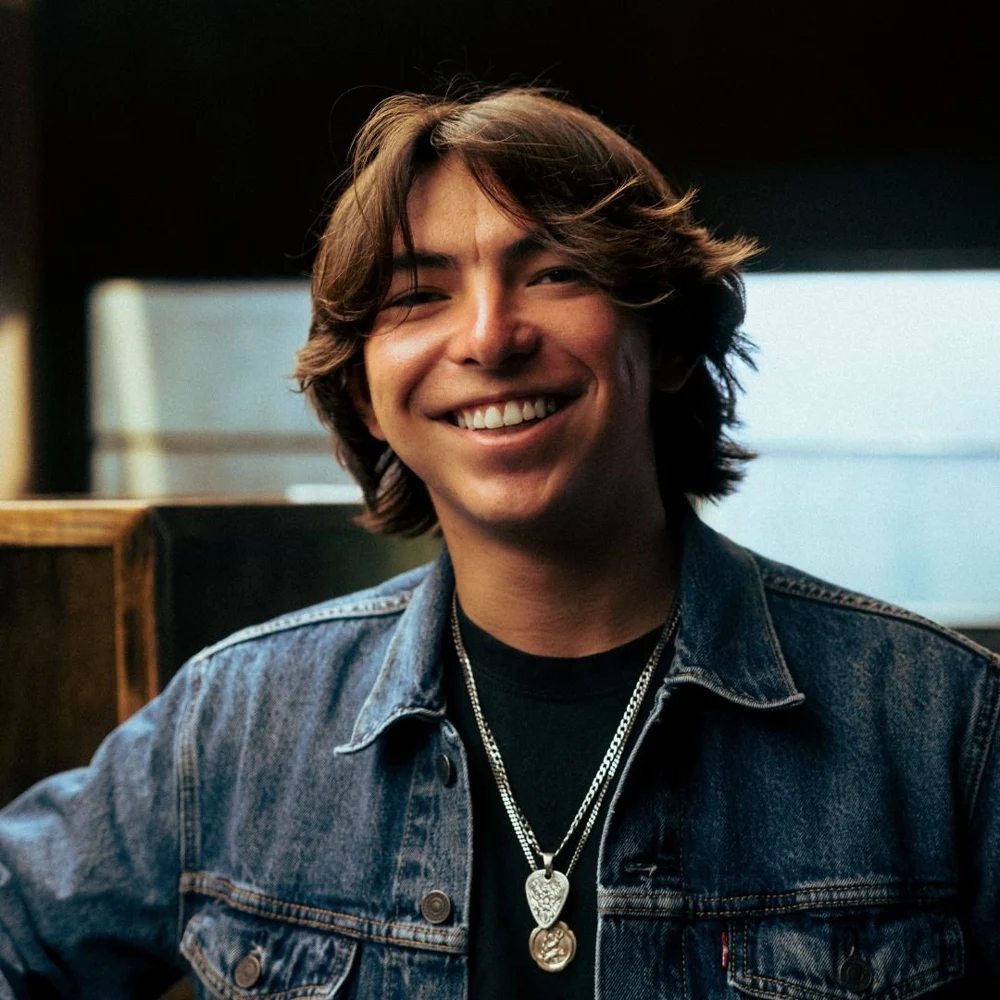 Wyatt FloresArtist, recordings & live dates ↗
 Ashley CookeArtist, recordings & live dates ↗