Start with three listening passes
Choose one recording you already know and play it without multitasking. During the first pass, follow the voice and the story. During the second, choose one accompanying instrument and stay with it even when a chorus demands attention. On the third, listen for changes: something arriving, disappearing, growing brighter or moving closer to the foreground. You do not need music theory to hear a contrast.
Use the same version each time. A music video may have dialogue before the track; a concert clip may contain a spoken introduction. Those differences matter when comparing notes. Record the artist, song, album or session, and the exact source. Describe the sound before guessing the equipment or the musician responsible. A sliding note alone does not prove which kind of steel guitar made it.
Ten details that reward another play
Think of these as questions, rather than tests with secret answers. Pulse is the recurring beat underneath a performance; subdivision is the smaller motion inside it. Texture describes how many independent things seem to be happening. Dynamics concern changes in force or level, while register describes how high or low something sounds. Keeping those ideas separate makes a listening note more precise.
- Pulse: what keeps time when the singer pauses?
- Subdivision: do the spaces inside the beat feel even or uneven?
- Bass: does the lowest line repeat, walk or wait?
- Attack: does a sound begin sharply or bloom gradually?
- Sustain: which notes hang over the next chord?
- Vocal entrance: does a phrase meet the pulse or lean away from it?
- Instrumental reply: what answers the end of a sung line?
- Harmony: when does another voice join or leave?
- Density: where does the arrangement become fuller or thinner?
- Ending: does the song stop, resolve, repeat or fade?
A compact route through country recordings
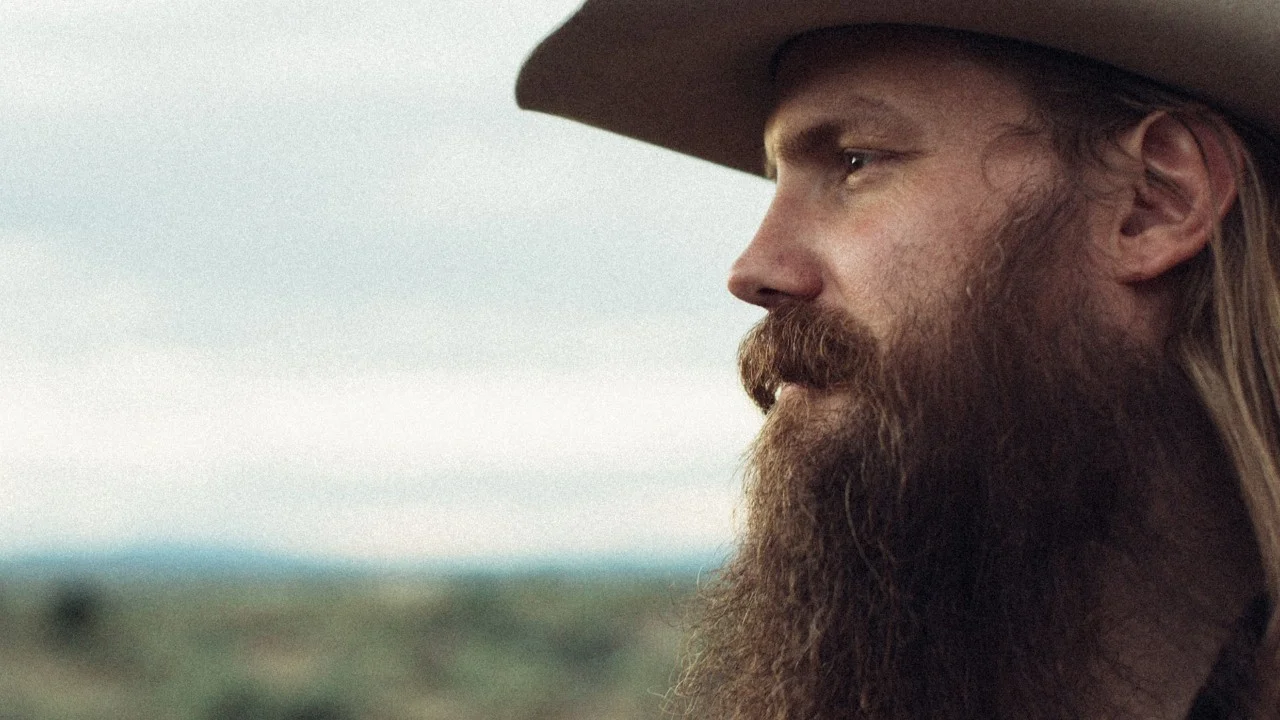
Chris Stapleton’s official Traveller page provides a reliable starting point for identifying the album versions of “Traveller” and “Tennessee Whiskey.” Use one song to separate the lead vocal from the accompanying pulse. Then try a second pass devoted entirely to the spaces after phrases. The task is to notice when an accompaniment supports a line and when it becomes the most interesting sound in the room.
Sierra Ferrell’s Trail of Flowers gives you another set of songs and a documented production context. Midland’s catalogue offers a contrasting route through a band whose own biography emphasizes harmonies and steel guitar. These are editorial starting points, not a claim that one artist represents all country music. Compare one feature at a time; changing singer, tempo and recording format together makes conclusions harder to defend.
| Starting point | Listening assignment | Useful note |
|---|---|---|
| Traveller — Chris Stapleton | Follow the pulse beneath a complete verse | Name the sound carrying time |
| Trail of Flowers — Sierra Ferrell | Track the instrumental replies | Mark where a reply starts |
| On the Rocks — Midland | Notice voices entering together | Separate lead and harmony roles |
Make an observation another person can replay
“The chorus feels bigger” is a good first reaction. A stronger note explains what changed: a harmony appeared, the bass began moving more often, or the drum pattern opened up. Add a location such as “the first chorus entrance” and a timestamp from your chosen source. Another listener should be able to return to the passage without needing to agree with your emotional response.
Avoid treating an adjective as a fact about the studio. “Warm,” “dry” and “gritty” can help people compare impressions, but they do not establish tape format, microphone model or amplifier settings. Credits and an artist’s account answer who and how; listening answers what you perceive. Both are useful when kept in their own lanes.
Take the exercise to a live show
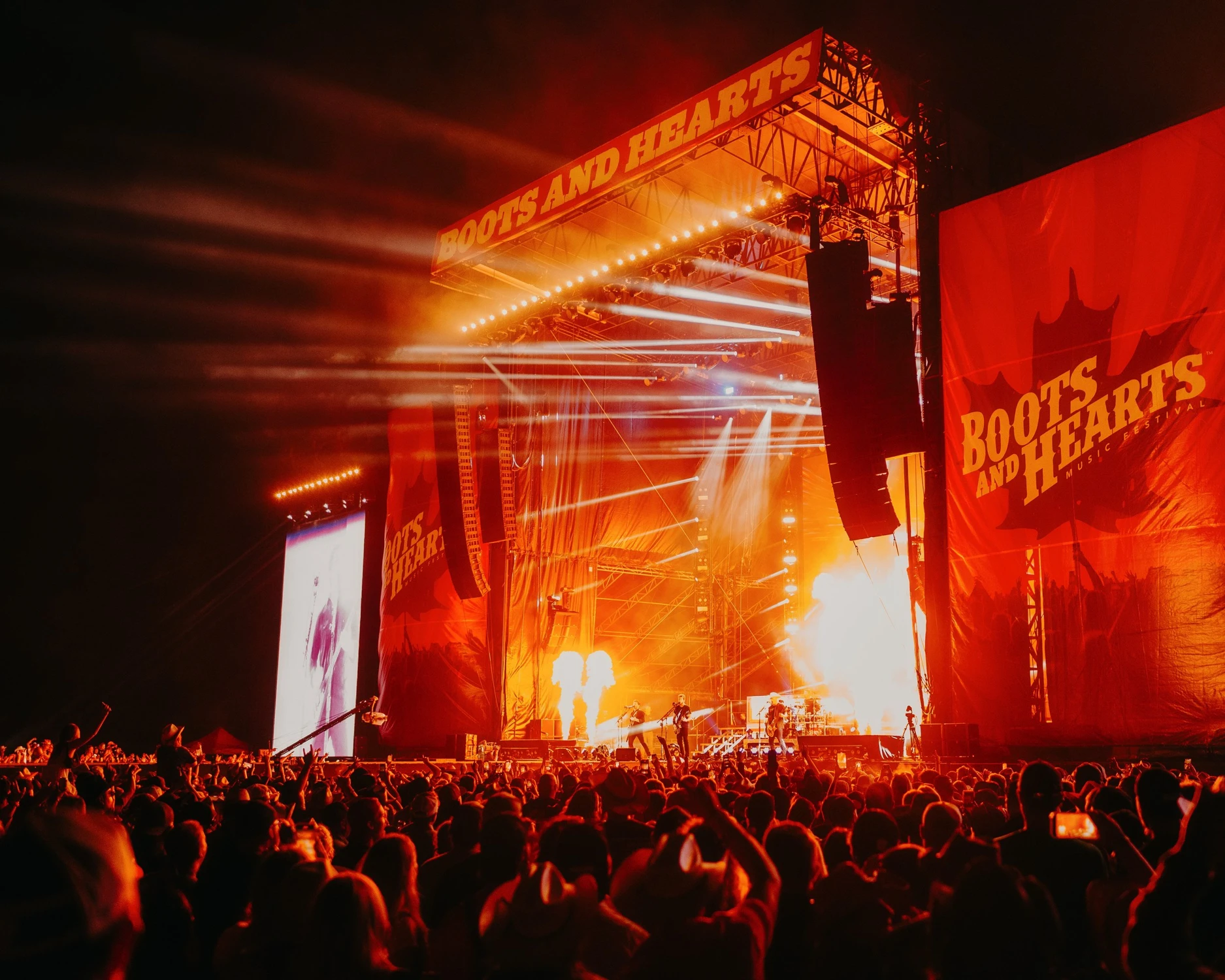
Before your next concert, choose just two details from the checklist. You might follow the bass through the opening song and watch how backing singers enter in the next. A live arrangement can redistribute parts among fewer players, extend an introduction or let the audience carry a familiar line. Notice the new division of work rather than scoring the performance against a recording.
Afterward, write one sentence describing a change and one question you would like to investigate. The question might lead to album credits, an official session or another artist on the bill. That small habit turns casual listening into a personal map of musicians and sounds, while leaving room for the most valuable outcome: enjoying a song without analyzing every second.
Follow the sources
Explore the original records, archive material and published accounts behind this article. Each source describes a particular release, performance, collection or event; keep that context when comparing examples.
Related artist guides
 Chris StapletonArtist, recordings & live dates ↗
 Sierra FerrellArtist, recordings & live dates ↗
 Zach TopArtist, recordings & live dates ↗