Begin with the photograph’s identity
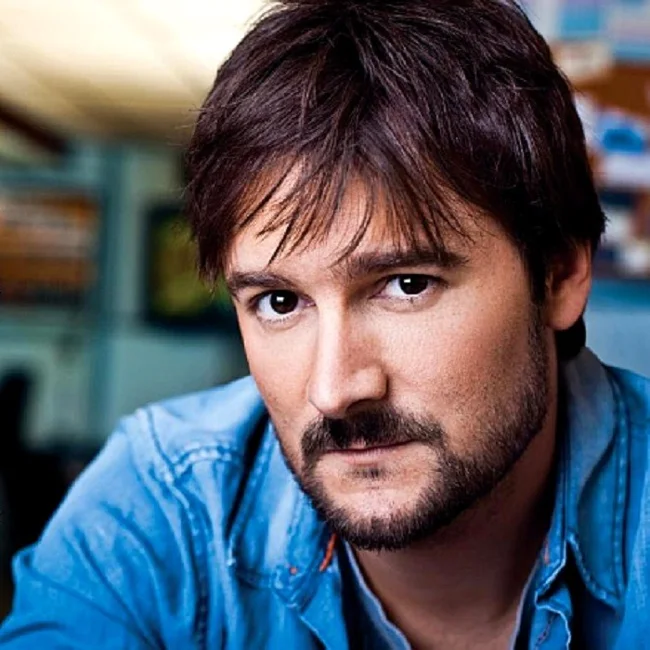
A performance image needs more than an artist’s name. Look for the photographer, event, venue or program, date and original publishing context. These details tell you whether you are studying a concert, a television taping, a rehearsal or a promotional portrait. A close crop of a singer can make those settings look similar even though they represent different kinds of performance.
Scott Newton’s Austin City Limits archive and the program’s own material provide a documented route into this kind of looking. Newton’s photographs are credited work, not anonymous decoration. Use the original archive for context and retain the credit whenever an image is legitimately reproduced. A thumbnail in an article is not a complete substitute for the original photograph.
Read the light as part of the composition
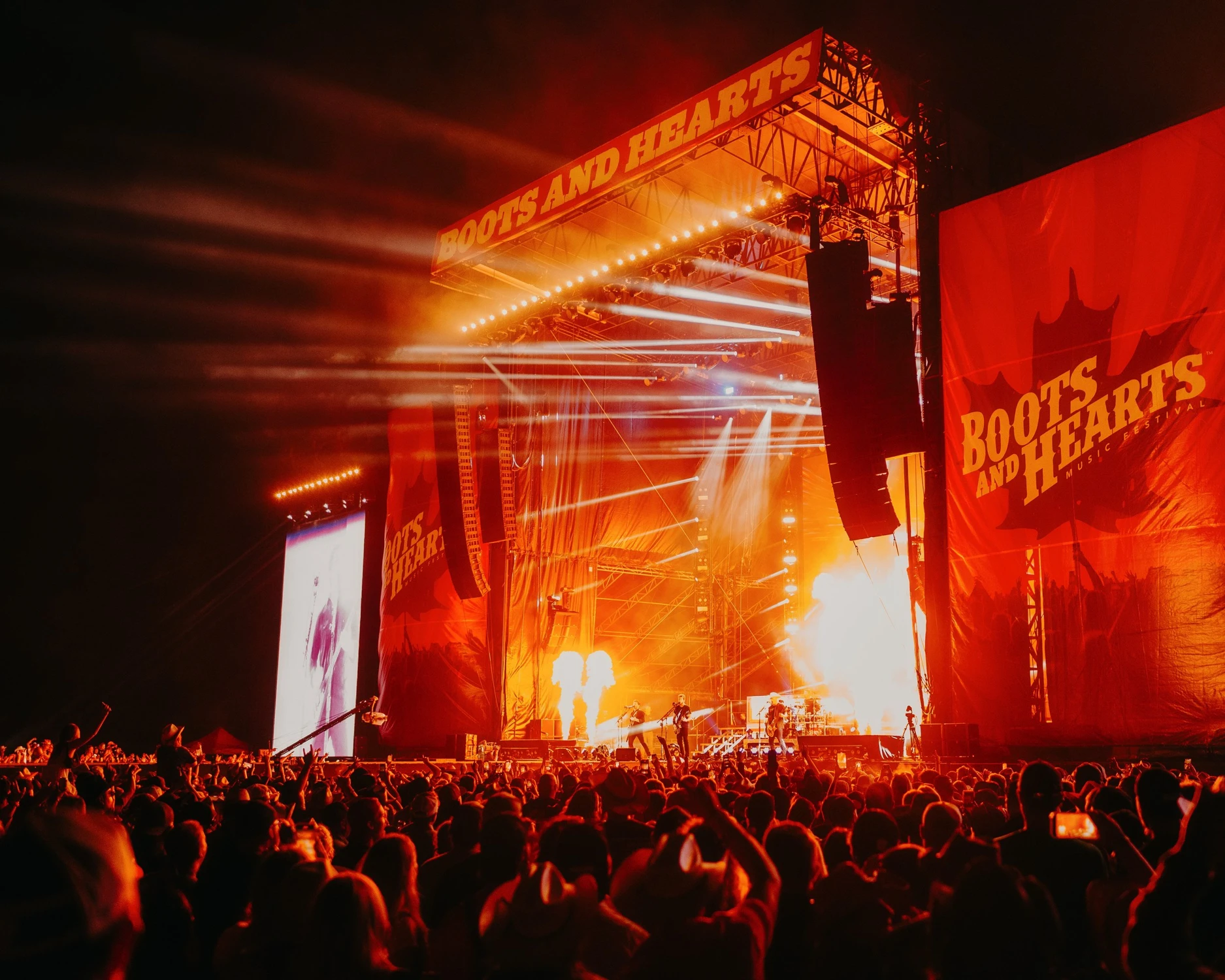
Begin with the brightest area. It may pull attention toward the singer, a reflective instrument, a beam in the air or a face at the edge of the frame. Then look for what falls into shadow. A dark background can simplify a portrait, while visible stage depth can show the scale of the ensemble. These are ways to examine an image, not claims about a lighting designer’s intention without a production account.
Color also needs care. The published image has passed through exposure and editing choices, and a camera can render stage color differently from human vision in the room. Describe the photograph’s visible effect rather than insisting it proves exactly what every attendee saw. Monochrome treatment, in particular, changes which contrasts become prominent.
Find the band beyond the front person
A country show can be visually organized around a lead singer while its music depends on players spread across the stage. Scan the photograph from edge to edge. Which instruments are identifiable? Which players can see each other? Is the frame presenting an individual portrait or an ensemble relationship? A photograph that includes a quiet supporting gesture can tell a different story from a dramatic close-up.
Do not identify a musician only because an instrument appears in the expected position. Use a caption or credits when naming the player matters. A camera may exclude other performers, and one frame cannot establish the complete touring lineup. The absence of a drum kit from the crop is not proof that no drummer played the show.
Compare three viewpoints
A close portrait can reveal expression and physical effort. A wide stage view can reveal spacing, light and the ensemble’s visual hierarchy. A view including the audience can place the music within a social setting. Compare these functions rather than asking which photograph is objectively best. Each viewpoint answers a different question and leaves different information outside the frame.
The photographer’s position also shapes the relationship. A side-stage angle, a photo-pit perspective and a distant view do not create the same sense of proximity. Avoid assuming that a long-lens image proves the photographer or audience stood close to the performer. The apparent distance is part of the picture’s construction.
| Viewpoint | What to examine | What not to conclude |
|---|---|---|
| Close portrait | Gesture, expression and light | The whole show’s emotional character |
| Wide stage | Players, spacing and design | Every musician’s identity from silhouette |
| Audience included | Scale and performer-room relationship | A numerical measure of enthusiasm |
| Behind or beside the stage | A less familiar working perspective | Access conditions for ordinary attendees |
Write a caption that adds knowledge
A useful caption names the verified subject and context, then adds one original observation about the image. “The side lighting separates the instrument from the dark background” gives the reader something to see. “The greatest night of the tour” invents a judgment the frame cannot support. Keep interpretation distinct from documentation and avoid attributing private emotions to a face.
When collecting a small photo sequence, choose images with different jobs: establish the setting, show a musical relationship and finish with a detail. Link back to the credited archive so readers can explore the work in context. The result should reward looking, not simply surround a biography with attractive pictures.
- Identify photographer, subject and context.
- Look at bright areas and shadows.
- Scan beyond the singer.
- Separate framing from physical distance.
- Use captions for verified names.
- Describe what the picture shows, not a whole unseen concert.
Follow the sources
Explore the original records, archive material and published accounts behind this article. Each source describes a particular release, performance, collection or event; keep that context when comparing examples.