Production is a set of decisions
Before discussing equipment, ask what the recording needs to communicate. Is the central attraction a voice, an ensemble, a story or an abrupt change of musical scale? A producer may participate in those decisions, but the artist, musicians, writers and engineers also bring choices to the result. The finished master rarely tells us who proposed a particular detail without supporting testimony.
Treat production as a practical sequence: selecting or developing material, choosing collaborators, organizing performances, evaluating takes and guiding the final presentation. Not every producer performs every task, and not every task is visible in a short release announcement. Read the credit at its stated scope and consult first-person accounts when you want to explain a specific decision.
Case one: Traveller separates roles
The label announcement for Chris Stapleton’s Traveller identifies Dave Cobb as producer and Vance Powell in the recording role, alongside the studios involved and the writers of outside material. The later anniversary account also identifies production participation by Stapleton and Morgane Stapleton. These sources remind us that different announcements can summarize a project at different levels of detail.
The listening question is how the recording presents a singer within an ensemble. Follow a vocal passage and ask what supports it, what answers it and what remains in the background. Those observations do not establish who suggested the arrangement. They give you a concrete question to carry into an interview or credit source instead of attributing the whole result to the most famous name.
Case two: a performer can also be the producer
Warner’s announcement identifies Brandi Carlile as producer of Brandy Clark’s 2023 self-titled album. Carlile’s identity as a singer does not reduce the production role to a guest appearance, and a guest performance does not by itself establish a production credit. The recording’s credits should tell you which role applies where.
For a comparison with Clark’s earlier work, keep your claims modest and musical. Listen to how the lead voice sits against the accompaniment and how much movement surrounds a sustained line. If the newer record feels more exposed to you, explain the passage that creates that impression. Avoid turning a subjective response into a claim that earlier records were less honest or that a producer removed specific tracks without evidence.
Case three: one album can have a production hierarchy
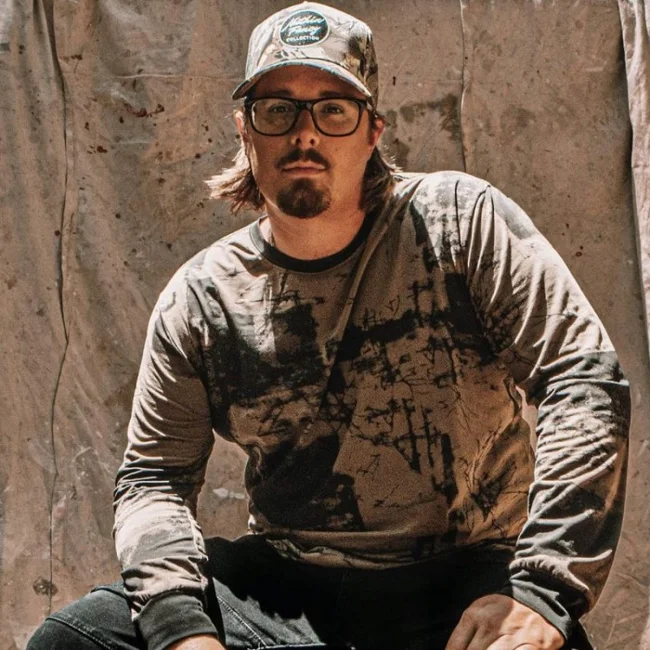
HARDY’s the mockingbird & THE CROW announcement lists project-wide production and marks additional co-production on selected tracks. Its two-part country-and-rock framing gives the team a documented organizing idea. The credit structure is more precise than a single sentence naming one producer, and its track markers matter when tracing who worked on a particular recording.
Use the title track’s documented position as a transition between the project’s two halves as a listening prompt. Ask how an album can signal a turn in identity through arrangement and sequence. That is different from claiming a particular collaborator authored the turn alone. A production hierarchy describes credited responsibility, not a transcript of every creative conversation.
| Question | Best starting evidence |
|---|---|
| Who received the producer credit? | Release credits and album booklet |
| Which tracks does it cover? | Track markers and footnotes |
| Who engineered or mixed the recording? | Separate technical credits |
| Why was a choice made? | A direct account from a participant |
Hear the decision, then research its history
Choose one event in a recording: an exposed opening, a vocal entrance, a change of texture or an ending. Describe it in ordinary language before searching for the story behind it. This keeps the music at the center of the research and helps you recognize when an interview genuinely addresses the passage rather than merely discussing the album in general.
The strongest production explanation combines three things: the audible event, the correct credit and a participant’s account of the choice. When only the first two are available, leave the intention open. You can still appreciate the craft, compare the result with another record and identify the people who deserve credit without inventing a scene in the studio.
Follow the sources
Explore the original records, archive material and published accounts behind this article. Each source describes a particular release, performance, collection or event; keep that context when comparing examples.
Related artist guides
 Shooter JenningsArtist, recordings & live dates ↗